
In this exclusive interview, we sit down with Joao Cizeski, a seasoned competitor and instructor whose career embodies the essence of the ‘Gentle Art.’ With a decorated competitive background including national titles in both Brazil and the United States, as well as podium finishes at the IBJJF Pan-American and European Championships, Cizeski has established himself as a prominent figure in the international Jiu-Jitsu scene. Beyond the medals, his work as a leader and mentor highlights the profound social impact of the sport, proving that technical excellence and community development go hand in hand.
Throughout our conversation, Cizeski shares his philosophy on transforming average competitors into champions, the strategic adjustments necessary for Master-level athletes to thrive, and his unwavering belief that Jiu-Jitsu is a tool for life-long transformation. From his disciplined approach to training to his vision for the future of the sport, he offers invaluable insights for practitioners of all levels. Join us as we explore the journey and the mindset of an instructor dedicated to leaving a lasting legacy on and off the mats.
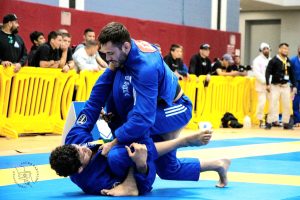
GRACIEMAG: What benefits does a Jiu-Jitsu instructor bring to the community where they teach?
JOAO CIZESKI: I believe Jiu-Jitsu goes far beyond being just a sport. It contributes directly to the physical, mental, and social development of the community. Jiu-Jitsu promotes discipline, self-control, respect, health, and inclusion, benefiting children, adults, and seniors alike. Beyond that, the academy becomes a safe space for social interaction, character building, and social prevention, helping young people find purpose, stay away from risky environments, and develop healthy habits. In the communities where I teach, this impact is visible both in athletic performance and in the overall quality of life of students and their families.
You have had a successful competitive career. What were your main achievements, and what did you learn from them?
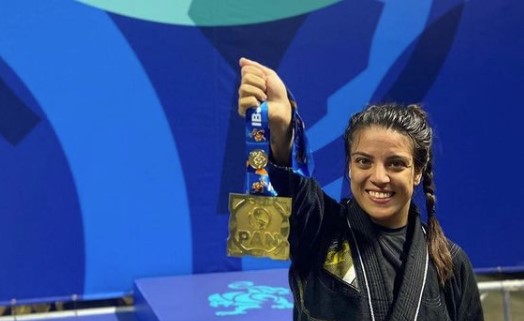
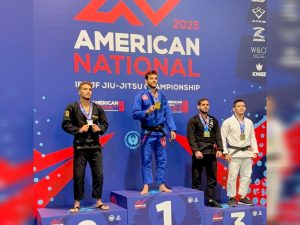
Throughout my competitive career, I have won important titles, including national championships in both the United States and Brazil, as well as international results such as third place at the Pan-American Jiu-Jitsu Championship and runner-up at the European Championship, among other high-level tournaments recognized by the sport’s leading federations. These achievements taught me that excellence is not only about talent, but mostly about consistency, deep study of the sport, daily discipline, and continuous growth. I also learned how to handle pressure, adversity, and responsibility, lessons I now apply directly to the development of my students.
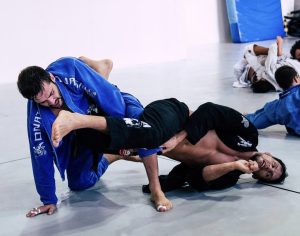
In your opinion as an athlete, what is the secret to turning an average competitor into a top champion?
In my view, the key is seeing each athlete as an individual and understanding their strengths, limitations, and specific needs. Great champions are not built solely through hard training, but through proper methodology, constant guidance, precise corrections, and mental resilience. It is also essential to create an environment where athletes are continuously challenged yet fully supported. The combination of technical training, practical experience, and leadership is what truly makes the difference.
You consistently perform well even against younger athletes on your team. What tips do Master division athletes need to excel against adult competitors?
For Master division athletes, strategic intelligence is crucial. The focus should be on technical efficiency, pace control, proper positioning, and smart decision-making. Training with quality, respecting recovery, and preventing injuries are more important than sheer volume. Experience allows athletes to anticipate movements, conserve energy, and capitalize on opponents’ mistakes. When applied correctly, age stops being a limitation and becomes a competitive advantage.

What motivational phrase do you like to repeat to yourself during challenging moments in your career?
Discipline beats motivation. In difficult times, I remind myself that great results are built on the days when no one is watching. Staying focused on the process and working consistently has always helped me overcome challenges and reach new levels.
How do you define yourself as a Jiu-Jitsu instructor? What is the philosophy behind your academy? And what advice would you give to someone aspiring to become a respected instructor?
I believe Jiu-Jitsu can positively transform people’s lives, just as it has transformed mine. Even when someone is going through a difficult personal phase, Jiu-Jitsu can be a powerful tool to help them overcome challenges. A good instructor must understand each student’s needs, whether competitive goals or simply the desire to improve quality of life, and provide the appropriate support. I define myself as an instructor committed to technical excellence, personal development, and long-term impact. The philosophy of my academy is based on respect, discipline, high technical standards, and continuous growth, both on and off the mat. For anyone aspiring to become a respected instructor, my main advice is to never stop studying, learning, competing, and serving. A great teacher leads by example and understands that teaching is a responsibility that requires preparation, ethics, and full dedication.
When someone hesitates to start training Jiu-Jitsu, what do you say to convince them to put on the gi and begin their journey in the gentle art?
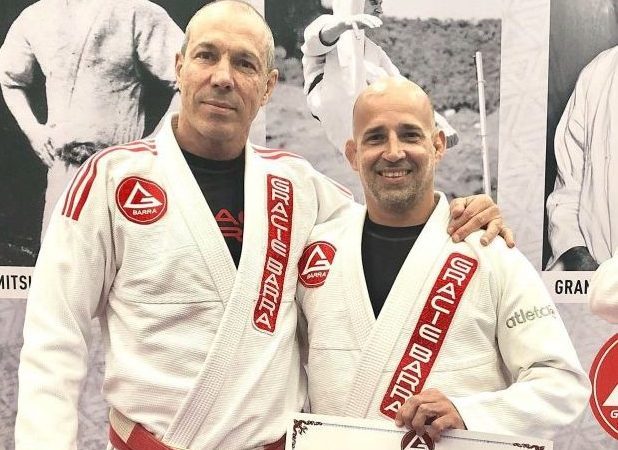
I believe in the Gracie Barra philosophy that Jiu-Jitsu is for everyone and that no one needs to be “ready” to start. Jiu-Jitsu is what prepares you. Beyond the physical benefits, it builds confidence, resilience, and mental clarity. It is a journey of self-discovery that positively impacts every area of life. The hardest part is taking the first step. After that, the results speak for themselves.
What is your biggest goal for the future of your career?
My main goal is to continue expanding my impact in Jiu-Jitsu internationally by developing high-performance athletes, qualified instructors, and strong communities. I want to contribute to the growth of the sport, raise technical and educational standards, and leave a legacy that goes beyond titles.