As lições de Rolls Gracie, o faixa-preta que morreu jovem e mudou a história do Jiu-Jitsu

Share it
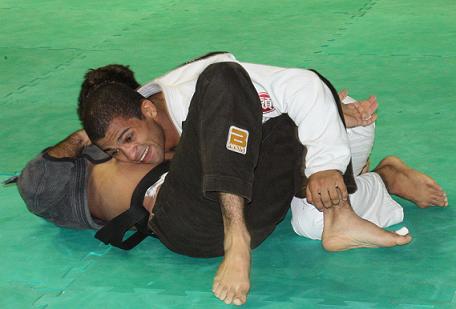
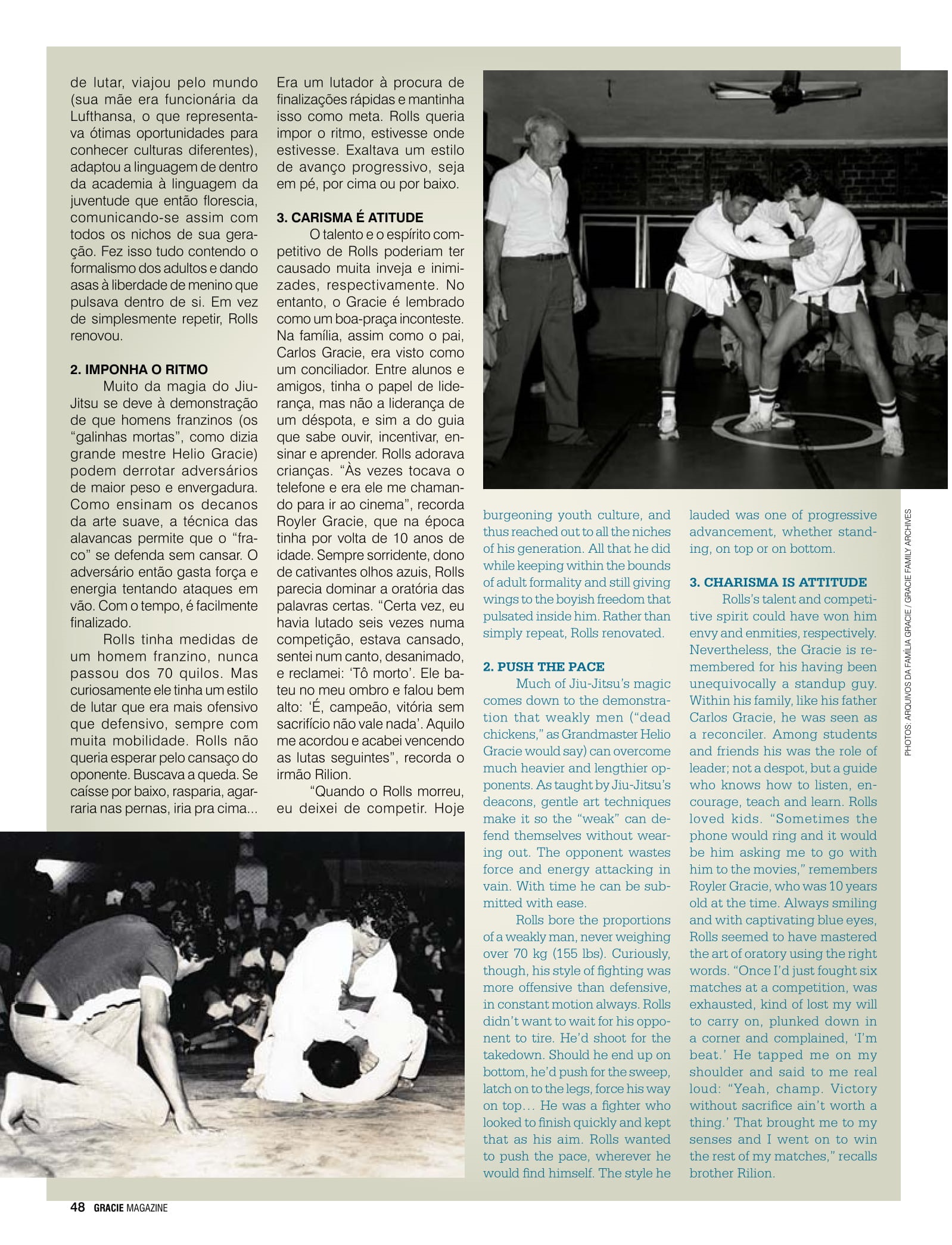
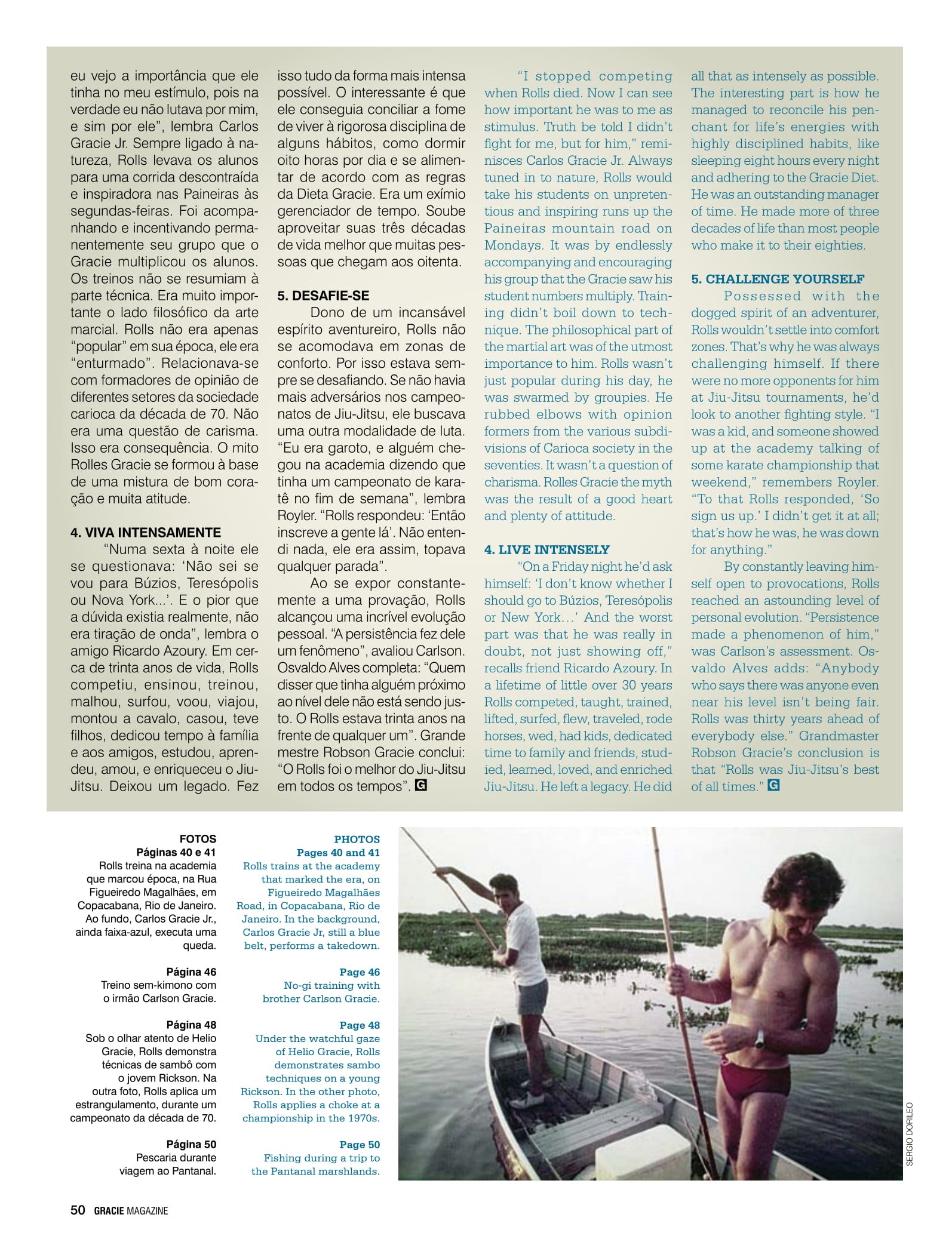
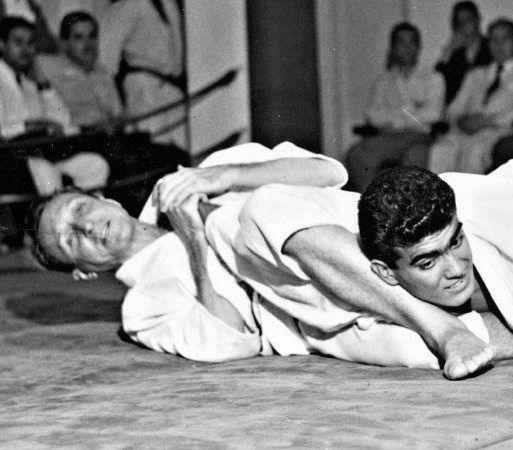
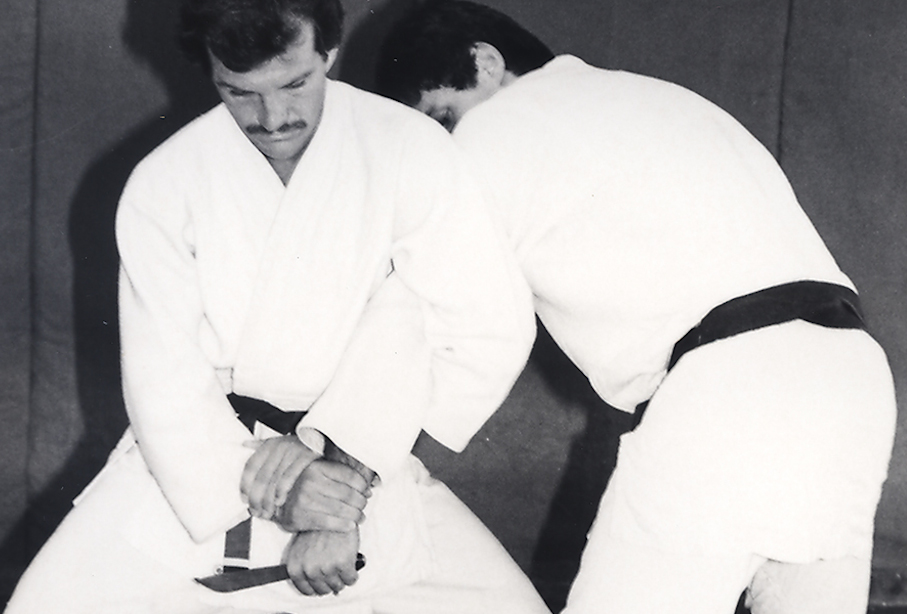
Rolls Gracie em demonstração de Jiu-Jitsu e defesa pessoal com seu aluno Maurição Gomes, hoje faixa-coral e paizão da fera Roger Gracie. Foto: Portal Rollsgracie.com

Rolls em demonstração de Jiu-Jitsu e defesa pessoal com seu aluno Maurição Gomes, hoje faixa-coral e paizão da fera Roger Gracie. Foto: Portal Rollsgracie.com

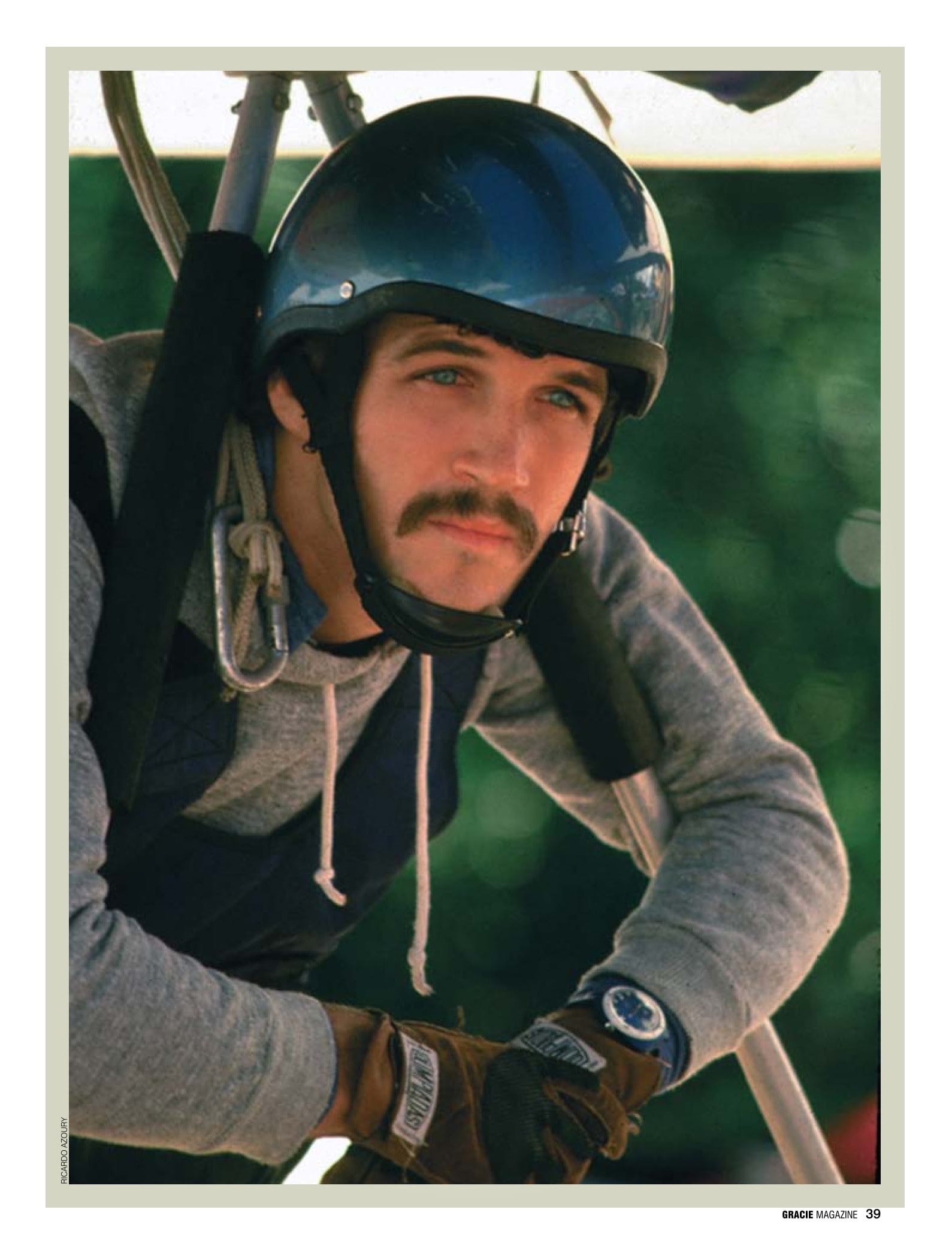
Era um fim de semana sem vento em Visconde de Mauá, região conhecida pela exuberância de vales e cachoeiras, no Rio de Janeiro. Não se viam asas-deltas no céu, mesmo assim, Rolls insistiu em voar. “Campeão, levanta a asa para eu regular o sarcófago”, disse ao amigo Luis Fernando, que, meio contrariado, atendeu ao pedido.

Luis ainda traz na memória os detalhes da cena: “Rolls fez todos os ajustes e correu para pular. A asa subiu um pouco para a direita, mas rapidamente embicou para a esquerda e caiu. Todos entraram em pânico. Saí correndo, descendo a ladeira, agarrando-me no mato alto. Quando me aproximei da asa, os olhos azuis do Rolls estavam abertos, apontando para cima à direita. Os braços estavam rígidos, como se lutasse para a asa subir. Parecia intacto, mas já estava morto”.

O acidente aconteceu no dia 6 de junho de 1982. Filho de Carlos criado por Helio Gracie, Rolls tinha 31 anos. Deixou mulher e dois filhos. Já naquela época, sabia-se que ele deixava também um valioso legado. No entanto, era cedo demais para se mensurar o quão valioso.

Hoje, com o distanciamento de mais de três décadas, o patrimônio herdado pela comunidade do Jiu-Jitsu ganha maior nitidez e impressiona pela grandeza. Veja, por exemplo, os campeonatos que lotam ginásios por todos os continentes.

“Foi espelhado no estímulo que o Rolls dava às competições que fundei a Confederação Brasileira de Jiu-Jitsu e, em seguida, a Federação Internacional de Jiu-Jitsu Brasileiro”, reconhece Carlos Gracie Jr.

O que dizer então da efervescência e do profissionalismo das academias? Tanto a Gracie Barra, como também a Alliance (que geraram diversas outras academias de prestígio no cenário mundial) foram criadas por discípulos diretos de Rolls.

Romero Jacaré, fundador da Alliance, sempre se refere ao Gracie com olhos lacrimejantes. “Ele é a razão de todo o nosso trabalho”, garante.

Também existem aspectos culturais e filosóficos no legado de Rolls. “Conheço diversas pessoas que, por causa dele, trocaram as drogas pelo culto à saúde”, conta Álvaro Romano, professor da Ginástica Natural.

Quando GRACIEMAG lançou em 2009 uma edição especial sobre “O estilo de vida do lutador de Jiu-Jitsu”, foi a biografia de Rolls que guiou a reportagem do começo ao fim. Na ocasião, escrevemos sobre tópicos como:

“Não sacrifique suas refeições, nem o seu sono”;

“Preserve o ambiente familiar”;

“Estimule hábitos saudáveis aos próximos”;

“Busque malhação ao ar livre”;

“Viaje o máximo possível”;

“Experimente a sensação de liberdade”;

“Amizade, o bem número 1”;

“Consuma cultura”;

“Você que critica, onde estava na hora de fazer?”
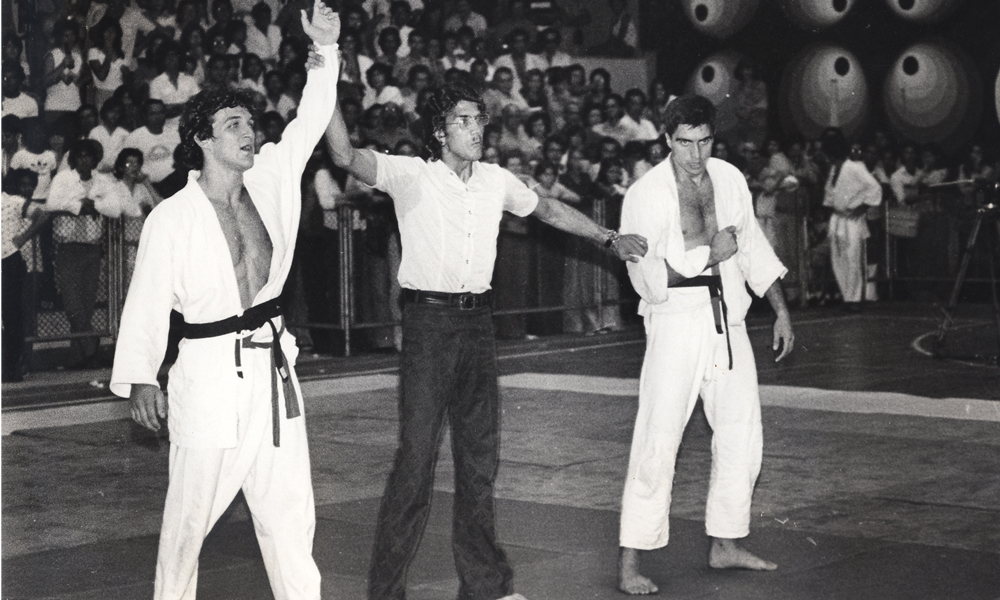
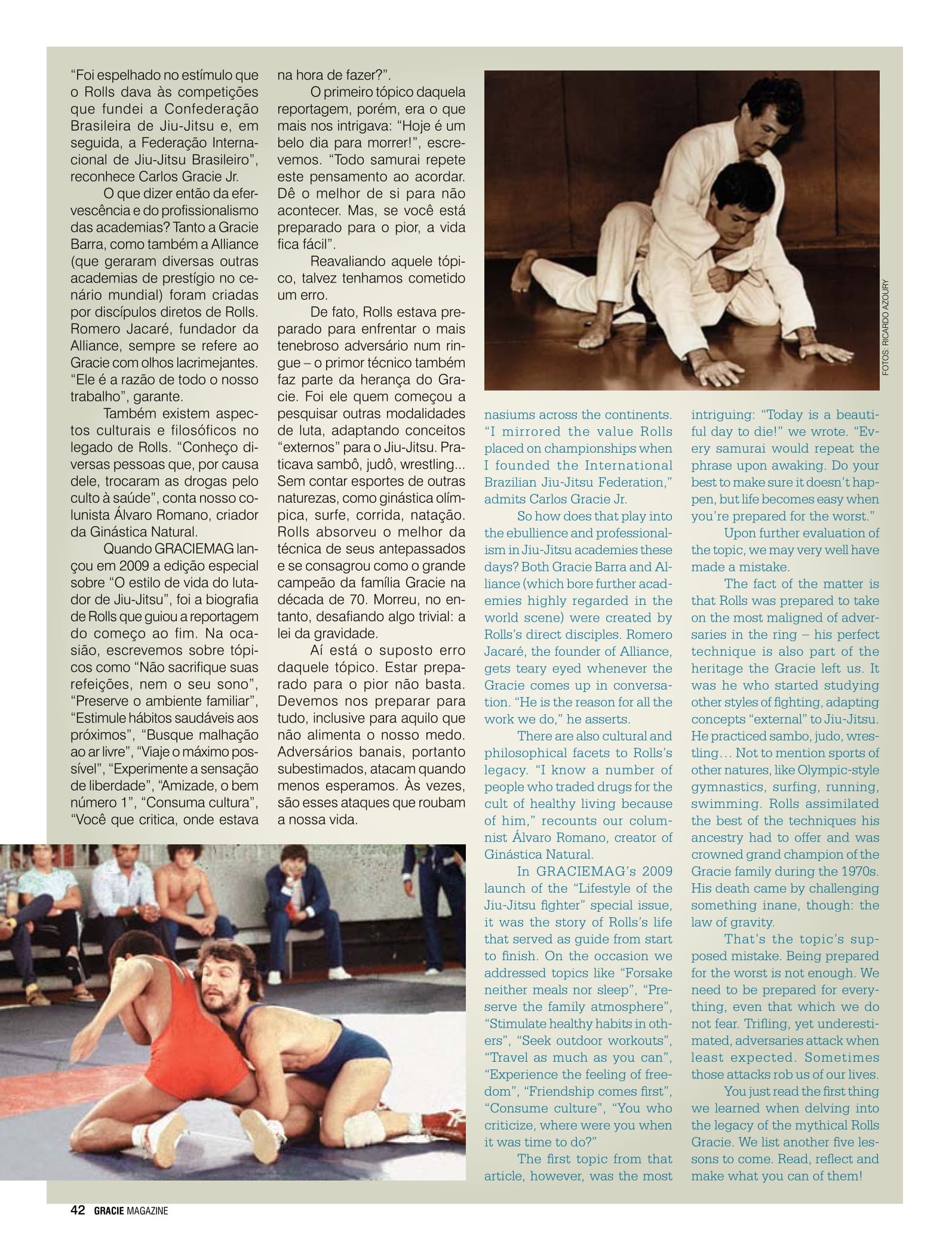
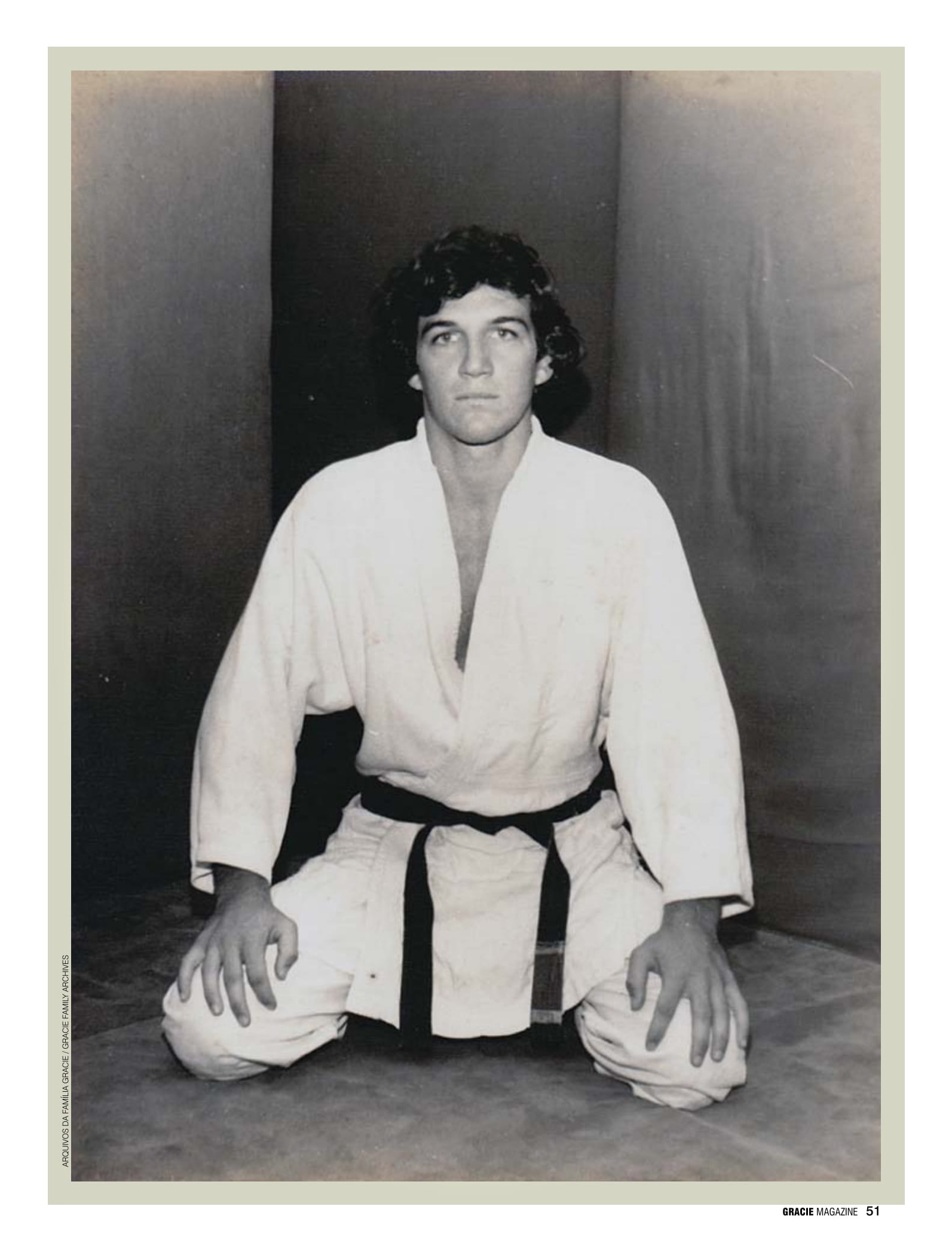
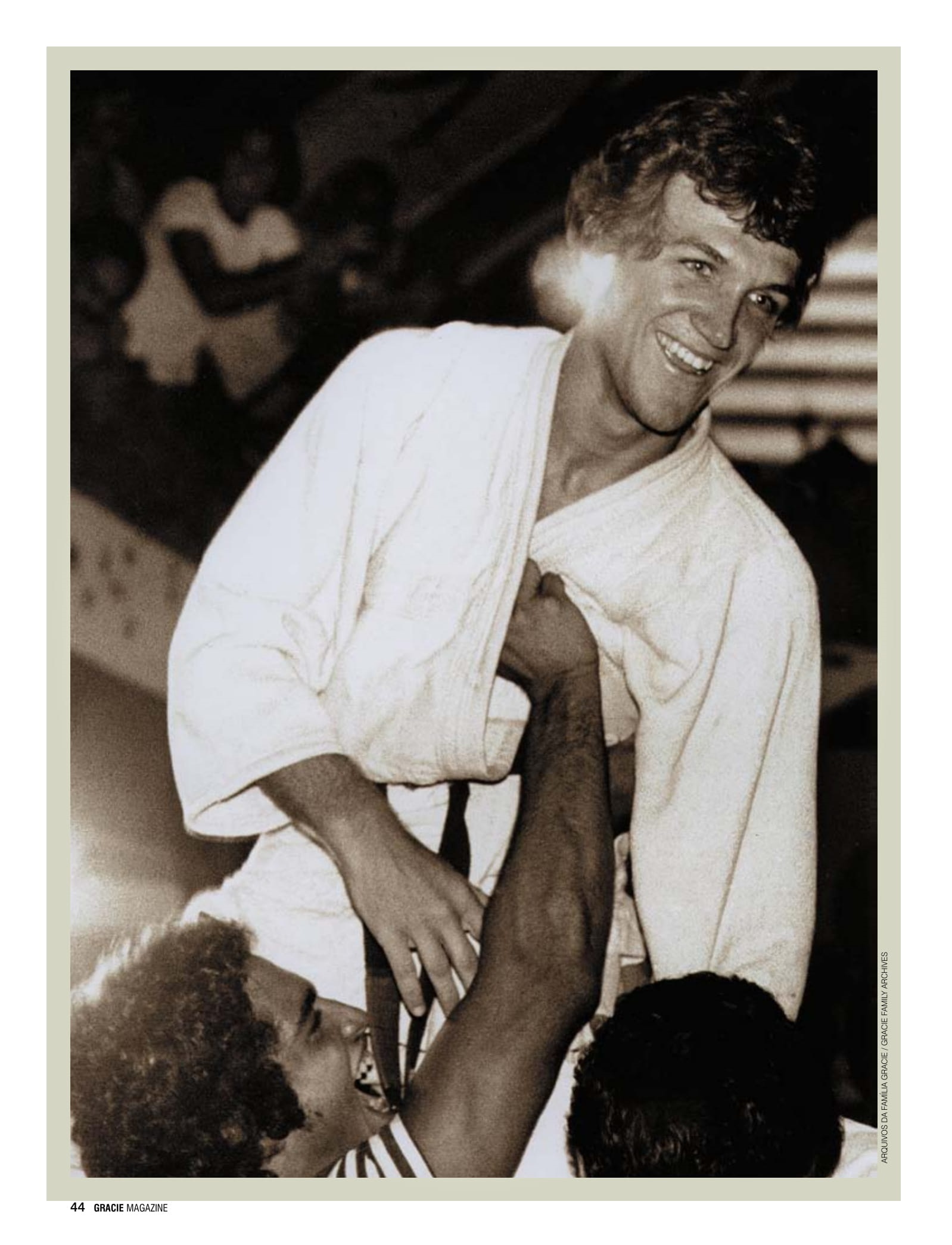
Rolls Gracie vibra ao vencer mais um campeonato de Jiu-Jitsu. Foto: RollsGracie.com

Rolls Gracie vibra ao vencer mais um campeonato de Jiu-Jitsu. Foto: RollsGracie.com

O primeiro tópico daquela reportagem, porém, era o que mais nos intrigava: “Hoje é um belo dia para morrer!”, escrevemos. “Todo samurai repete este pensamento ao acordar. Dê o melhor de si para não acontecer. Mas, se você está preparado para o pior, a vida fica fácil”.

Reavaliando aquele tópico, talvez tenhamos cometido um erro. De fato, Rolls estava preparado para enfrentar o mais tenebroso adversário num ringue – o primor técnico também faz parte da herança do Gracie. Foi ele quem começou a pesquisar outras modalidades de luta, adaptando conceitos “externos” para o Jiu-Jitsu. Praticava sambô, judô, wrestling… Sem contar esportes de outras
naturezas, como ginástica olímpica, surfe, corrida, natação.

Rolls absorveu o melhor da técnica de seus antepassados e se consagrou como o grande campeão da família Gracie na década de 1970. Morreu, no entanto, desafiando algo trivial: a lei da gravidade. Aí está o suposto erro daquele tópico. Estar preparado para o pior não basta. Devemos nos preparar para tudo, inclusive para aquilo que não alimenta o nosso medo. Adversários banais, portanto subestimados, atacam quando menos esperamos. Às vezes, são esses ataques que roubam a nossa vida.

Você acaba de ler a primeira lição que identificamos ao investigar o legado do mitológico Rolls Gracie. Listamos outros cinco aprendizados a seguir. Leia, reflita e faça bom proveito!

1. Não se feche

Rolls cresceu na ebulição dos anos 1960. Foi jovem na “Época dos jovens”. É uma diferença e tanto se o compararmos aos grandes campeões que o antecederam na família Gracie, os quais estavam ligados a gerações de costumes mais conservadores, oriundas de um tempo em que a palavra “adolescência” ainda era um conceito pouco aplicado. Rolls se permitiu entrar em contato com o mundo que se transformava lá fora. Respeitou o melhor das tradições de sua família e da arte marcial que representava, porém, soube absorver as virtudes da modernidade e as retransmitiu.

Por mais que essa adaptação aos novos tempos pareça ser um movimento natural e lógico, não é bem assim que funciona para todo mundo. Pelo contrário. Não são poucos os que criam resistências intransponíveis a novidades, os que se fecham a experimentos, enfim, os que “param no tempo”. Rolls tinha mente aberta. Talvez isso ajude a entender o “grande feito” que muitos faixas-pretas atribuem a ele: “Rolls modernizou o Jiu-Jitsu”, garantem.

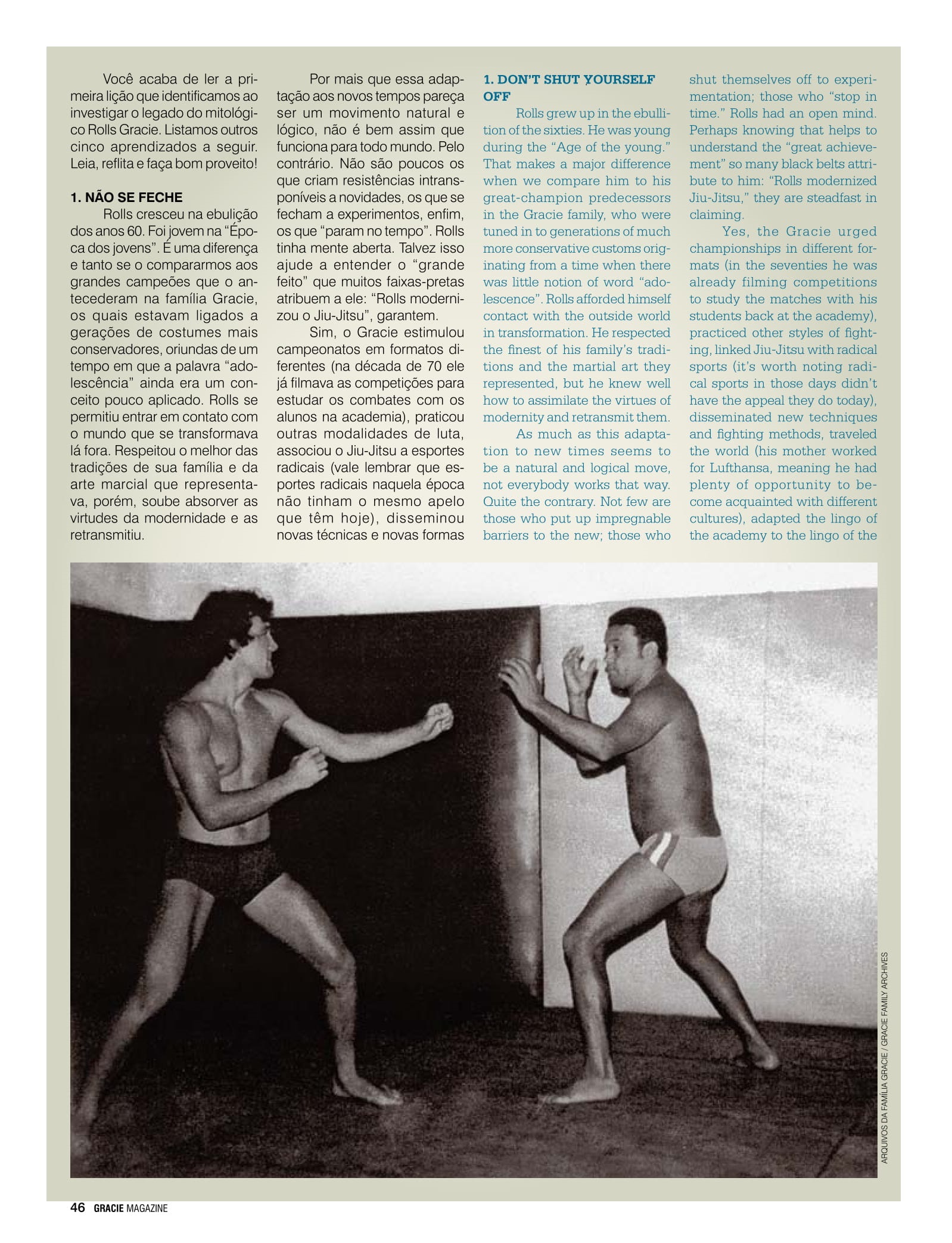
Sim, o Gracie estimulou campeonatos em formatos diferentes (na década de 1970 ele já filmava as competições para estudar os combates com os alunos na academia), praticou outras modalidades de luta, associou o Jiu-Jitsu a esportes radicais (vale lembrar que esportes radicais naquela época não tinham o mesmo apelo que têm hoje), disseminou novas técnicas e novas formas de lutar, viajou pelo mundo (sua mãe era funcionária da Lufthansa, o que representava ótimas oportunidades para conhecer culturas diferentes), adaptou a linguagem de dentro da academia à linguagem da juventude que então florescia, comunicando-se assim com todos os nichos de sua geração.

Fez isso tudo contendo o formalismo dos adultos e dando asas à liberdade de menino que pulsava dentro de si. Em vez de simplesmente repetir, Rolls renovou.

2. Imponha o ritmo

Muito da magia do Jiu-Jitsu se deve à demonstração de que homens franzinos (os “galinhas mortas”, como dizia grande mestre Helio Gracie) podem derrotar adversários de maior peso e envergadura. Como ensinam os decanos da arte suave, a técnica das alavancas permite que o “fraco” se defenda sem cansar. O adversário então gasta força e energia tentando ataques em vão.Com o tempo, é facilmente finalizado.

Rolls tinha medidas de um homem franzino, nunca passou dos 70 quilos. Mas curiosamente ele tinha um estilo de lutar que era mais ofensivo que defensivo, sempre com muita mobilidade. Rolls não queria esperar pelo cansaço do oponente. Buscava a queda. Se caísse por baixo, rasparia, agarraria nas pernas, iria pra cima… Era um lutador à procura de finalizações rápidas e mantinha isso como meta.

Rolls queria impor o ritmo, estivesse onde estivesse. Exaltava um estilo de avanço progressivo, seja em pé, por cima ou por baixo.

3. Carisma é atitude

O talento e o espírito competitivo de Rolls poderiam ter causado muita inveja e inimizades naqueles tempos. No entanto, o Gracie é lembrado como um boa-praça inconteste. Na família, assim como o pai, Carlos Gracie, era visto como um conciliador. Entre alunos e amigos, tinha o papel de liderança, mas não a liderança de um déspota, e sim a do guia que sabe ouvir, incentivar, ensinar e aprender. Rolls adorava crianças. “Às vezes tocava o telefone e era ele me chamando para ir ao cinema”, recorda Royler Gracie, que na época tinha por volta de 10 anos.

Sempre sorridente, dono de cativantes olhos azuis, Rolls parecia dominar a oratória e o emprego das palavras certas. “Certa vez, eu havia lutado seis vezes numa competição, estava cansado, sentei num canto, desanimado, e reclamei: ‘Tô morto’. Ele bateu no meu ombro e falou bem alto: ‘É, campeão, vitória sem sacrifício não vale nada’. Aquilo me acordou e acabei vencendo as lutas seguintes”, recorda o irmão Rilion.

“Quando Rolls morreu, eu deixei de competir. Hoje vejo a importância que ele tinha no meu estímulo, pois na verdade eu não lutava por mim, e sim por ele”, lembra Carlos Gracie Jr. Sempre ligado à natureza, Rolls levava os alunos para uma corrida descontraída e inspiradora nas Paineiras às segundas-feiras. Foi acompanhando e incentivando permanentemente seu grupo que o Gracie multiplicou os alunos. Os treinos não se resumiam à parte técnica.

Era muito importante o lado filosófico da arte marcial. Rolls não era apenas “popular” em sua época, ele era enturmado. Relacionava-se com formadores de opinião de diferentes setores da sociedade carioca da década de 1970. Não era uma questão de carisma. Isso era consequência. O mito Rolls Gracie se formou à base de uma mistura de bom coração e muita atitude.
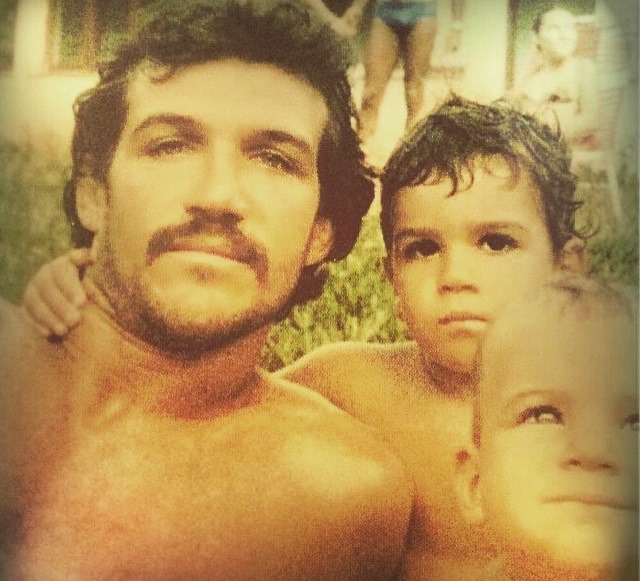
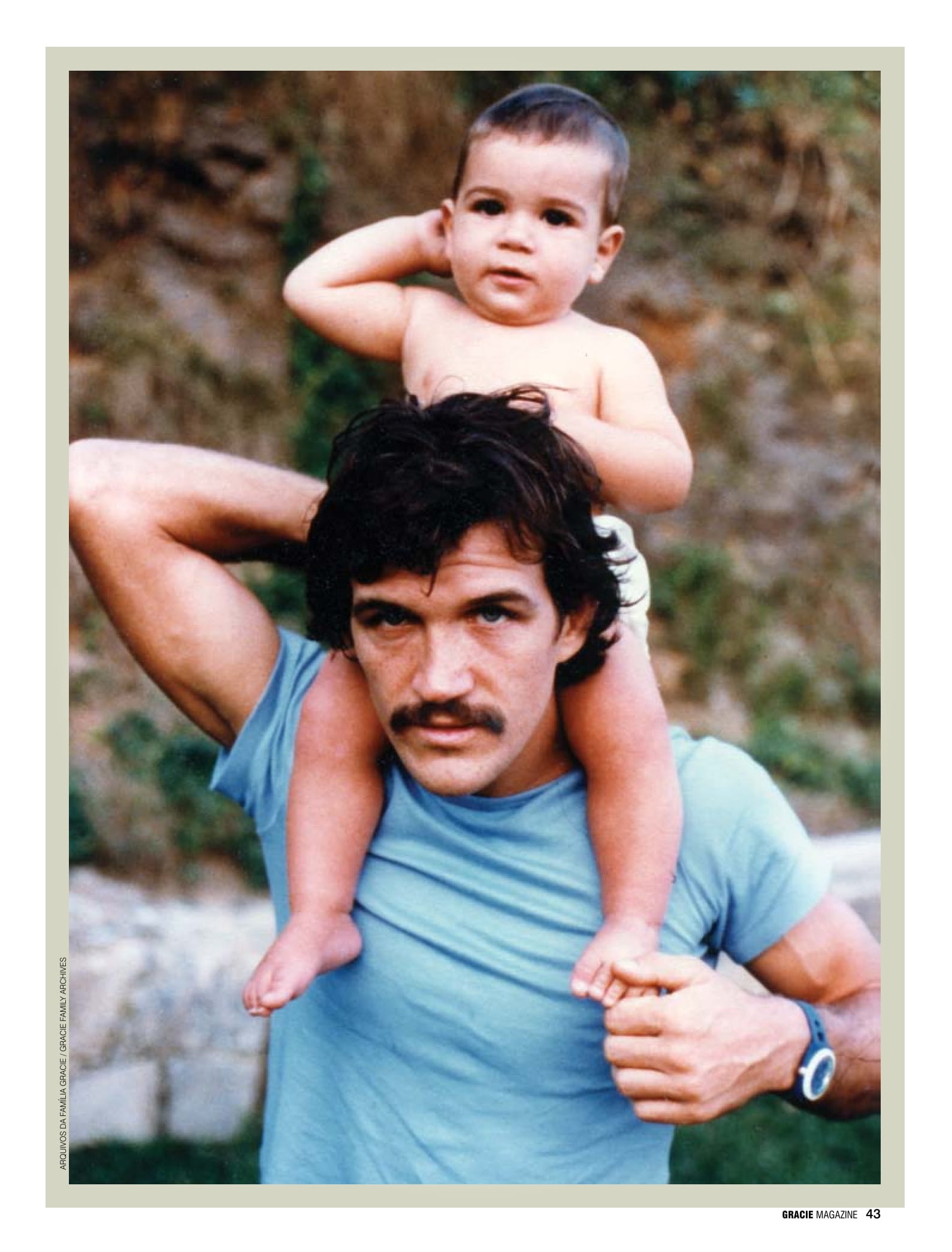
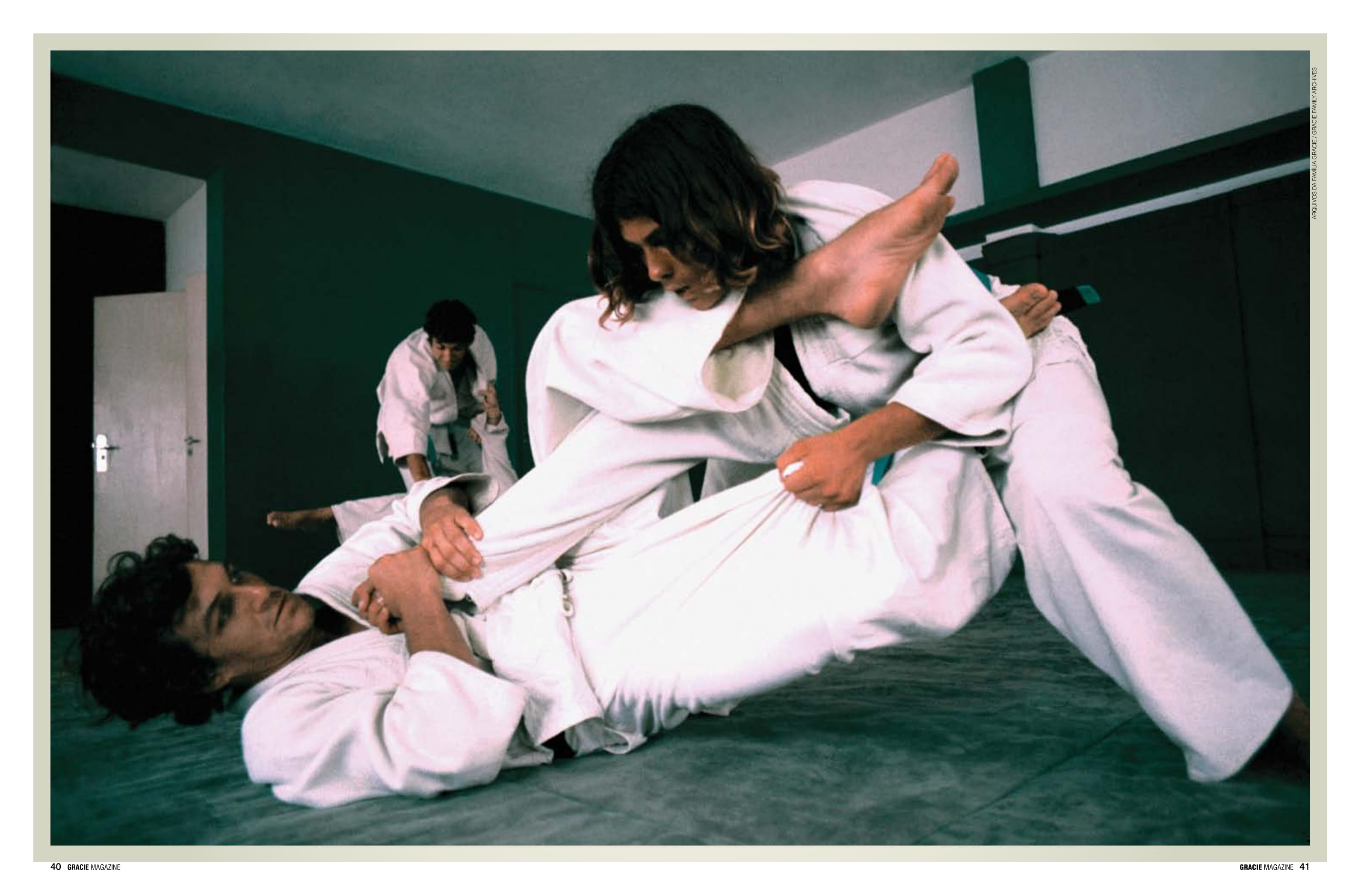
Rolls Gracie com os filhos Rolles e Igor. Foto: Acervo RollsGracie.com

Rolls Gracie com os filhos Rolles e Igor: ele foi o “dono do maior coração da família”, segundo Helio Gracie. Foto: Acervo RollsGracie.com

4. Viva intensamente

“Numa sexta à noite ele se questionava: ‘Não sei se vou para Búzios, Teresópolis ou Nova York…’. E o pior que a dúvida existia realmente, não era tiração de onda”, lembra o amigo Ricardo Azoury. Em cerca de 30 anos de vida, Rolls competiu, ensinou, treinou, malhou, surfou, voou, viajou, montou a cavalo, casou, teve filhos, dedicou tempo à família e aos amigos, estudou, aprendeu, amou, e enriqueceu o Jiu-Jitsu. Deixou um legado. Fez isso tudo da forma mais intensa possível.

O interessante é que ele conseguia conciliar a fome de viver à rigorosa disciplina de alguns hábitos, como dormir oito horas por dia e se alimentar de acordo com as regras da Dieta Gracie. Era um exímio gerenciador de tempo. Soube aproveitar suas três décadas de vida melhor que muitas pessoas que chegam aos 80.

5. Desafie-se

Dono de um incansável espírito aventureiro, Rolls não se acomodava em zonas de conforto. Por isso estava sempre se desafiando. Se não havia mais adversários nos campeonatos de Jiu-Jitsu, ele buscava uma outra modalidade de luta. “Eu era garoto, e alguém chegou na academia dizendo que tinha um campeonato de karatê no fim de semana”, lembra Royler. “Rolls respondeu: ‘ Então inscreve a gente lá’. Não entendi nada, ele era assim, topava qualquer parada”.

Ao se expor constantemente a uma provação, Rolls alcançou uma incrível evolução pessoal. “A persistência fez dele um fenômeno”, avaliou o irmão Carlson. O faixa-vermelha Osvaldo Alves completa: “Quem disser que tinha alguém próximo ao nível dele não está sendo justo. Rolls estava 30 anos na frente de qualquer um”. Grande mestre Robson Gracie garante: “O Rolls foi o melhor do Jiu-Jitsu que já houve”. Já o saudoso mestre Helio definiu: “Rolls tinha o maior coração de todos os Gracie que conheci”.

https://www.youtube.com/watch?v=3Qo-49PrKpg

Ler matéria completa Read more

The lessons of Rolls Gracie, who died young and changed the history of BJJ

Share it

[First published in 2010.]

Rolls Gracie em demonstração de Jiu-Jitsu e defesa pessoal com seu aluno Maurição Gomes, hoje faixa-coral e paizão da fera Roger Gracie. Foto: Portal Rollsgracie.com

Rolls Gracie in a demonstration with his student Maurição Gomes. Rollsgracie.com


Rolls Gracie vibra ao vencer mais um campeonato de Jiu-Jitsu. Foto: RollsGracie.com

RollsGracie.com


Rolls Gracie com os filhos Rolles e Igor. Foto: Acervo RollsGracie.com

Rolls Gracie with sons Rolles and Igor: He had the biggest heart in the family, according to Helio Gracie. RollsGracie.com


It was a windless weekend in Visconde de Mauá, a
region of Rio de Janeiro known for its breathtaking
valleys and waterfalls. Not a hang glider could be
seen in the sky. Even so, Rolls insisted on taking
flight. “Hey, champ. Lift the wing so I can adjust the harness,”
he said to friend Luis Fernando, who, somewhat
begrudgingly, did as he was told.

Luis still carries with him
memory of the details from the
scene: “Rolls made all the adjustments
and took a running
jump. The glider floated up
a bit to the right, but quickly
nosedived to the left and plummeted.
Everyone entered in
panic. I took off running down
the hill, holding on to the overgrown
brush. When I got near
the glider Rolls’s eyes were
open, pointed up and to the
right. His arms were stiff, as
though he’d fought to make the
hang glider turn upwards. He
looked to be intact, but he was
already dead.”
The accident happened on
June 6, 1982. Rolls was 31 years
old. He was survived by his wife
and two sons. At that time he
was already known to have left
a precious legacy. Still, it was
too early to measure just how
precious. Now, about 30 years
on, the heritage left to the Jiu-
Jitsu community has become
more distinct and inspires awe
for its grandeur.
Take as an example the
championships that pack gym-
nasiums across the continents.
“I mirrored the value Rolls
placed on championships when
I founded the International
Brazilian Jiu-Jitsu Federation,”
admits Carlos Gracie Jr.
So how does that play into
the ebullience and professionalism
in Jiu-Jitsu academies these
days? Both Gracie Barra and Alliance
(which bore further academies
highly regarded in the
world scene) were created by
Rolls’s direct disciples. Romero
Jacaré, the founder of Alliance,
gets teary eyed whenever the
Gracie comes up in conversation.
“He is the reason for all the
work we do,” he asserts.
There are also cultural and
philosophical facets to Rolls’s
legacy. “I know a number of
people who traded drugs for the
cult of healthy living because
of him,” recounts our columnist
Álvaro Romano, creator of
Ginástica Natural.
In GRACIEMAG’s 2009
launch of the “Lifestyle of the
Jiu-Jitsu fighter” special issue,
it was the story of Rolls’s life
that served as guide from start
to finish. On the occasion we
addressed topics like “Forsake
neither meals nor sleep”, “Preserve
the family atmosphere”,
“Stimulate healthy habits in others”,
“Seek outdoor workouts”,
“Travel as much as you can”,
“Experience the feeling of freedom”,
“Friendship comes first”,
“Consume culture”, “You who
criticize, where were you when
it was time to do?”
The first topic from that
article, however, was the most
intriguing: “Today is a beautiful
day to die!” we wrote. “Every
samurai would repeat the
phrase upon awaking. Do your
best to make sure it doesn’t happen,
but life becomes easy when
you’re prepared for the worst.”
Upon further evaluation of
the topic, we may very well have
made a mistake.
The fact of the matter is
that Rolls was prepared to take
on the most maligned of adversaries
in the ring – his perfect
technique is also part of the
heritage the Gracie left us. It
was he who started studying
other styles of fighting, adapting
concepts “external” to Jiu-Jitsu.
He practiced sambo, judo, wrestling…
Not to mention sports of
other natures, like Olympic-style
gymnastics, surfing, running,
swimming. Rolls assimilated
the best of the techniques his
ancestry had to offer and was
crowned grand champion of the
Gracie family during the 1970s.
His death came by challenging
something inane, though: the
law of gravity.
That’s the topic’s supposed
mistake. Being prepared
for the worst is not enough. We
need to be prepared for everything,
even that which we do
not fear. Trifling, yet underestimated,
adversaries attack when
least expected. Sometimes
those attacks rob us of our lives.
You just read the first thing
we learned when delving into
the legacy of the mythical Rolls
Gracie. We list another five lessons
to come. Read, reflect and
make what you can of them!

1. Don’t shut yourself
off
Rolls grew up in the ebullition
of the sixties. He was young
during the “Age of the young.”
That makes a major difference
when we compare him to his
great-champion predecessors
in the Gracie family, who were
tuned in to generations of much
more conservative customs originating
from a time when there
was little notion of word “adolescence”.
Rolls afforded himself
contact with the outside world
in transformation. He respected
the finest of his family’s traditions
and the martial art they
represented, but he knew well
how to assimilate the virtues of
modernity and retransmit them.
As much as this adaptation
to new times seems to
be a natural and logical move,
not everybody works that way.
Quite the contrary. Not few are
those who put up impregnable
barriers to the new; those who
shut themselves off to experimentation;
those who “stop in
time.” Rolls had an open mind.
Perhaps knowing that helps to
understand the “great achievement”
so many black belts attribute
to him: “Rolls modernized
Jiu-Jitsu,” they are steadfast in
claiming.
Yes, the Gracie urged
championships in different formats
(in the seventies he was
already filming competitions
to study the matches with his
students back at the academy),
practiced other styles of fighting,
linked Jiu-Jitsu with radical
sports (it’s worth noting radical
sports in those days didn’t
have the appeal they do today),
disseminated new techniques
and fighting methods, traveled
the world (his mother worked
for Lufthansa, meaning he had
plenty of opportunity to become
acquainted with different
cultures), adapted the lingo of
the academy to the lingo of the
burgeoning youth culture, and
thus reached out to all the niches
of his generation. All that he did
while keeping within the bounds
of adult formality and still giving
wings to the boyish freedom that
pulsated inside him. Rather than
simply repeat, Rolls renovated.
2. Push the pace
Much of Jiu-Jitsu’s magic
comes down to the demonstration
that weakly men (“dead
chickens,” as Grandmaster Helio
Gracie would say) can overcome
much heavier and lengthier opponents.
As taught by Jiu-Jitsu’s
deacons, gentle art techniques
make it so the “weak” can defend
themselves without wearing
out. The opponent wastes
force and energy attacking in
vain. With time he can be submitted
with ease.
Rolls bore the proportions
of a weakly man, never weighing
over 70 kg (155 lbs). Curiously,
though, his style of fighting was
more offensive than defensive,
in constant motion always. Rolls
didn’t want to wait for his opponent
to tire. He’d shoot for the
takedown. Should he end up on
bottom, he’d push for the sweep,
latch on to the legs, force his way
on top… He was a fighter who
looked to finish quickly and kept
that as his aim. Rolls wanted
to push the pace, wherever he
would find himself. The style he
lauded was one of progressive
advancement, whether standing,
on top or on bottom.
3. Charisma is attitude
Rolls’s talent and competitive
spirit could have won him
envy and enmities, respectively.
Nevertheless, the Gracie is remembered
for his having been
unequivocally a standup guy.
Within his family, like his father
Carlos Gracie, he was seen as
a reconciler. Among students
and friends his was the role of
leader; not a despot, but a guide
who knows how to listen, encourage,
teach and learn. Rolls
loved kids. “Sometimes the
phone would ring and it would
be him asking me to go with
him to the movies,” remembers
Royler Gracie, who was 10 years
old at the time. Always smiling
and with captivating blue eyes,
Rolls seemed to have mastered
the art of oratory using the right
words. “Once I’d just fought six
matches at a competition, was
exhausted, kind of lost my will
to carry on, plunked down in
a corner and complained, ‘I’m
beat.’ He tapped me on my
shoulder and said to me real
loud: “Yeah, champ. Victory
without sacrifice ain’t worth a
thing.’ That brought me to my
senses and I went on to win
the rest of my matches,” recalls
brother Rilion.
“I stopped competing
when Rolls died. Now I can see
how important he was to me as
stimulus. Truth be told I didn’t
fight for me, but for him,” reminisces
Carlos Gracie Jr. Always
tuned in to nature, Rolls would
take his students on unpretentious
and inspiring runs up the
Paineiras mountain road on
Mondays. It was by endlessly
accompanying and encouraging
his group that the Gracie saw his
student numbers multiply. Training
didn’t boil down to technique.
The philosophical part of
the martial art was of the utmost
importance to him. Rolls wasn’t
just popular during his day, he
was swarmed by groupies. He
rubbed elbows with opinion
formers from the various subdivisions
of Carioca society in the
seventies. It wasn’t a question of
charisma. Rolles Gracie the myth
was the result of a good heart
and plenty of attitude.
4. Live intensely
“On a Friday night he’d ask
himself: ‘I don’t know whether I
should go to Búzios, Teresópolis
or New York…’ And the worst
part was that he was really in
doubt, not just showing off,”
recalls friend Ricardo Azoury. In
a lifetime of little over 30 years
Rolls competed, taught, trained,
lifted, surfed, flew, traveled, rode
horses, wed, had kids, dedicated
time to family and friends, studied,
learned, loved, and enriched
Jiu-Jitsu. He left a legacy. He did
all that as intensely as possible.
The interesting part is how he
managed to reconcile his penchant
for life’s energies with
highly disciplined habits, like
sleeping eight hours every night
and adhering to the Gracie Diet.
He was an outstanding manager
of time. He made more of three
decades of life than most people
who make it to their eighties.
5. Challenge yourself
Po s s e s s ed wi th the
dogged spirit of an adventurer,
Rolls wouldn’t settle into comfort
zones. That’s why he was always
challenging himself. If there
were no more opponents for him
at Jiu-Jitsu tournaments, he’d
look to another fighting style. “I
was a kid, and someone showed
up at the academy talking of
some karate championship that
weekend,” remembers Royler.
“To that Rolls responded, ‘So
sign us up.’ I didn’t get it at all;
that’s how he was, he was down
for anything.”
By constantly leaving himself
open to provocations, Rolls
reached an astounding level of
personal evolution. “Persistence
made a phenomenon of him,”
was Carlson’s assessment. Osvaldo
Alves adds: “Anybody
who says there was anyone even
near his level isn’t being fair.
Rolls was thirty years ahead of
everybody else.” Grandmaster
Robson Gracie’s conclusion is
that “Rolls was Jiu-Jitsu’s best
of all times.”

Ler matéria completa Read more
Daytona 500 Live