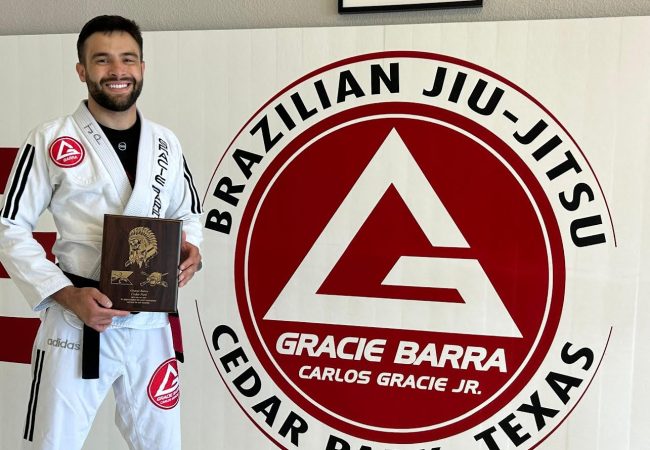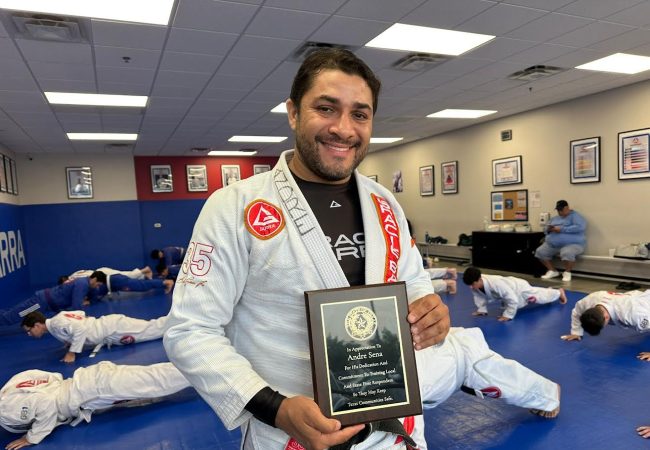

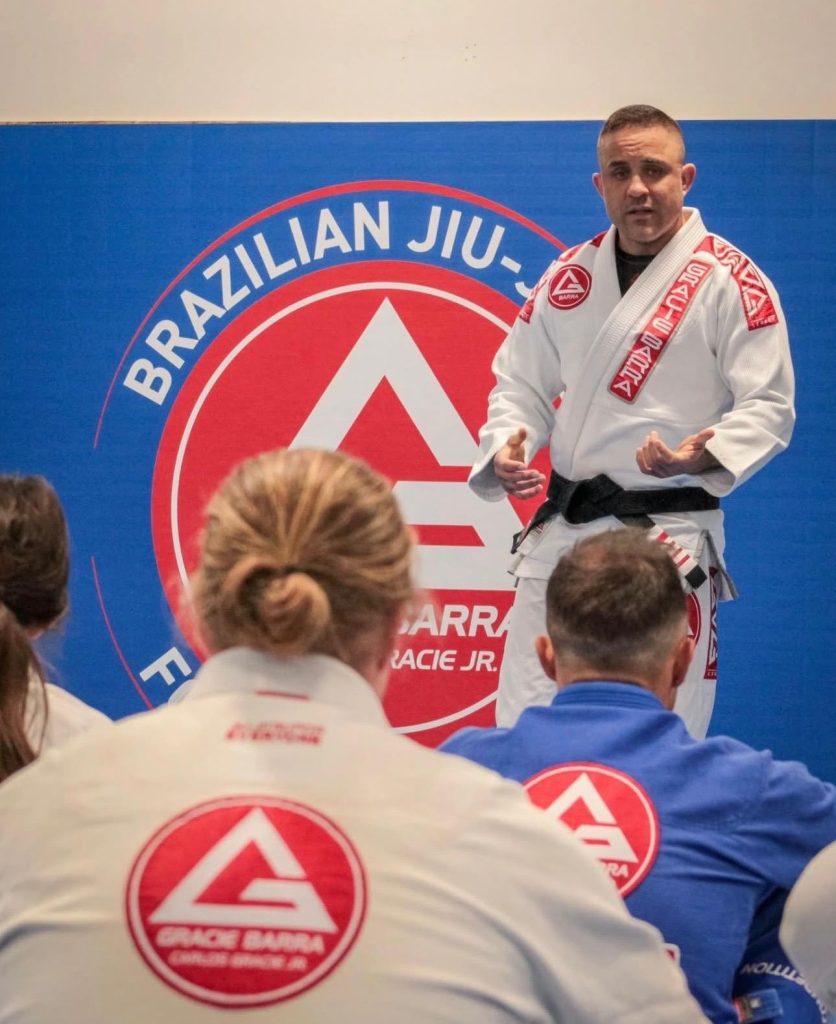
A black belt trained at Gracie Barra, Professor Fabrício Lopes has specialized in honing instructors and helping them teach Jiu-Jitsu in the clearest way possible. GRACIEMAG.com chatted with the black belt mentoring specialist about how he has analyzed the new generation of instructors in so many academies around the world.
GRACIEMAG: Championships are attracting more and more fighters, the sport is expanding, and there are academies in every major city on the planet. And will instructors be able to keep up with this demand?
FABRÍCIO LOPES: I believe the biggest challenge is that being a good practitioner and being a good instructor are completely different skills. Many people become technically proficient, but teaching requires communication, observation, patience, leadership, and the ability to adapt to different types of students. The fact that someone can execute a technique masterfully doesn’t mean they can explain it in a way that others can understand and apply.
Is learning how to teach then a different field altogether?
Yes. There are other challenges. For example, many younger instructors develop in an environment where information is abundant. Today, anyone can watch techniques online. The challenge lies in helping future instructors organize this information, understand the fundamental principles, and transmit them effectively. Teaching is not about showing what you know. It’s about helping others learn.
In your view, what has changed in instructor training?
Ten years ago, many instructors developed primarily through observation and experience. You learned by spending years on the mat, assisting in classes, and gradually taking on more responsibilities. Today, instructor development has become more structured. Many organizations now have formal instructor programs, educational resources, and systems designed to help trainers improve their teaching skills. At the same time, students have changed. Today’s students expect more explanations, more structure, and a clearer understanding of why things work.
What do qualified instructors need to have to avoid disappointing their students?
As instructors, we need to be able to communicate effectively with children, adults, competitors, recreational athletes, and people from diverse backgrounds. The role of the instructor today is broader than ever. Technical knowledge remains important, but communication and leadership have become equally relevant.
How do you identify a young person with the potential to become a well-rounded instructor?
The first thing I notice is curiosity. Future instructors are often those students who ask questions, pay attention to detail, and genuinely want to understand the art rather than just collecting techniques. I also seek humility and consistency. Teaching is a long-term responsibility. Someone who is trustworthy, respectful, and willing to keep learning often has more potential than someone who is merely talented.
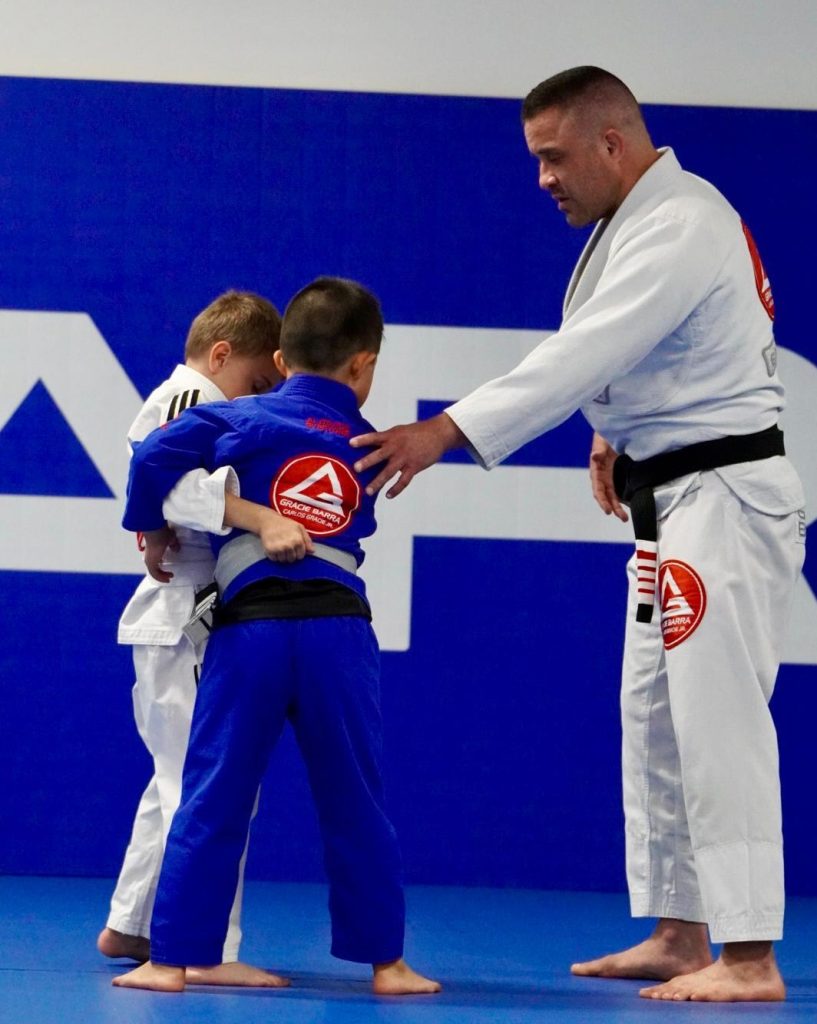
Is there another important quality?
Yes, empathy. The best instructors care about helping others evolve. They like to see other people’s success. Technical skill can be developed over time. Character, patience, and a desire to serve others are often stronger indicators of future teaching potential.
What is the most important principle when training talented instructors?
In my view, it is the ability to help them understand that teaching revolves around the student and not the instructor. Many beginning instructors focus on demonstrating their own knowledge. Excellent instructors focus on making information accessible to the people in front of them. I encourage future instructors to develop the ability to observe, listen and adapt. Each student learns in a different way. The instructor’s responsibility is to find the best way to convey the same principles to different individuals. The goal is not to create instructor-dependent students forever. The goal is to train independent thinkers who, over time, are able to help other people.
What was the most common mistake in training instructors in recent decades?
From my studies and research, I believe there was a general idea that technical excellence automatically generated excellence in teaching. In previous generations, many instructors learned by imitation. They copied what their teachers did and repeated the same methods. While this produced many excellent practitioners, it sometimes left gaps in communication and instructor development. Often, students were expected to simply figure things out on their own over time. Today, we understand that teaching itself is a skill that must be intentionally developed. The best instructors know how to preserve the traditions, values, and technical standards of Brazilian Jiu-Jitsu, but they also recognize the importance of communication, mentorship, and structured learning. In my opinion, the future of the art depends on training not only better athletes but also better teachers.
>> To learn more, follow Professor FABRÍCIO LOPES on Instagram, here: https://www.instagram.com/