




Pan da FBJJP desembarca em Manaus em 20 e 21 de abril
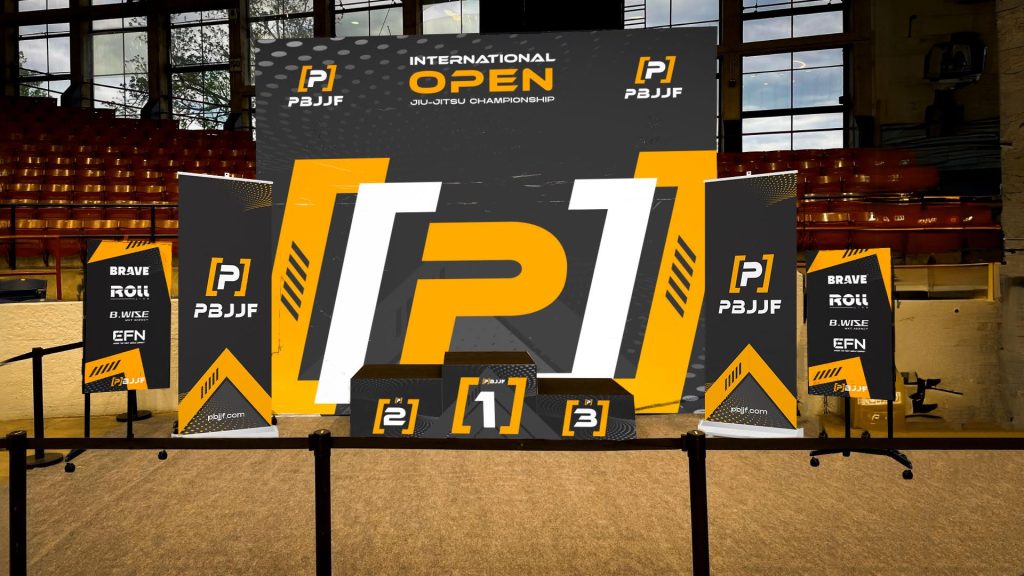
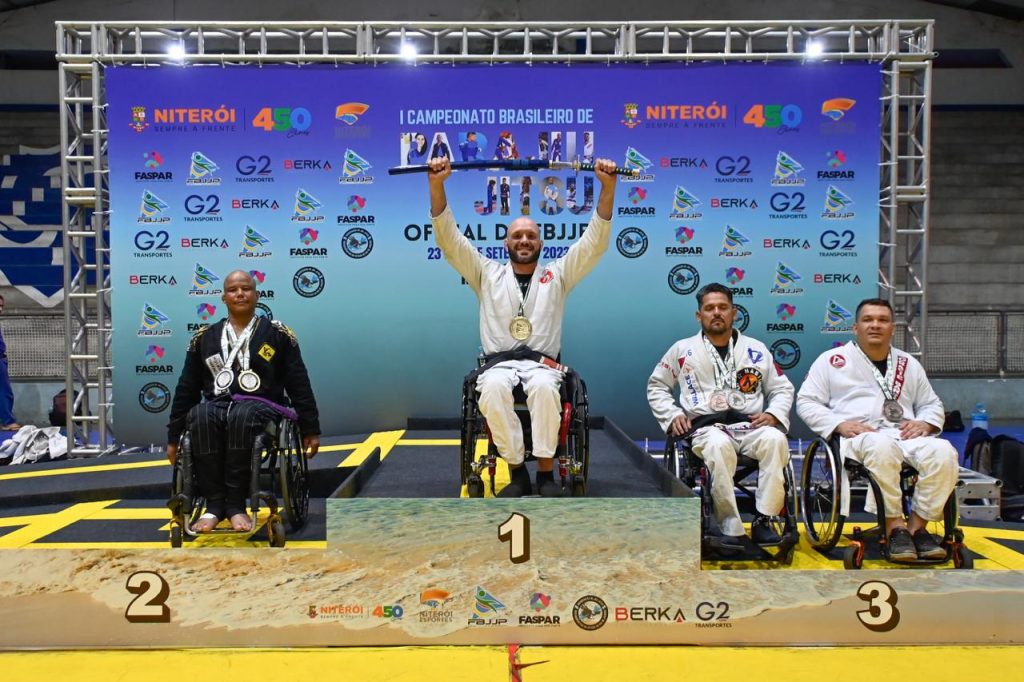
Manaus vai se tornar o centro do universo do Parajiu-Jitsu panamericano em 20 e 21 de abril. A Federação Brasileira de Jiu-Jitsu Paradesportivo (FBJJP) tem o orgulho de levar à capital do Amazonas o maior evento da modalidade já realizado. Paratletas de todo o continente vão se reunir para competir no mais alto nível em…
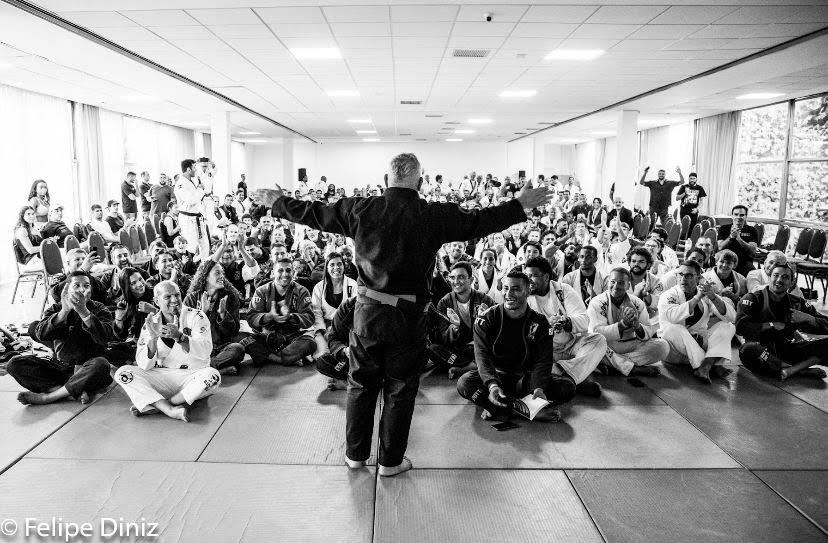
A semana inesquecível de mestre Ricardo Libório no Rio
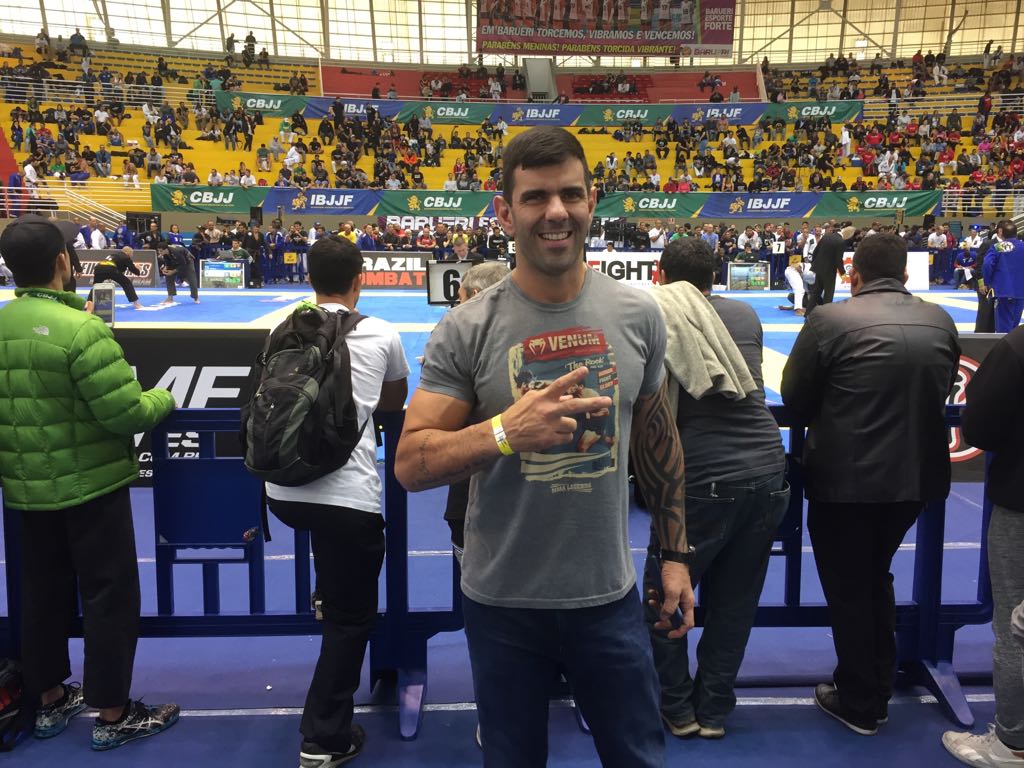
Campeão no primeiro Mundial de Jiu-Jitsu em 1996, a lenda Ricardo Libório estava com saudades do Rio de Janeiro. Mas nem ele podia imaginar que semana teria, ao lado de ídolos e amigos. A largada da emocionante semana de Libório foi no domingo, 17 de março, quando o salão nobre da AABB, na Lagoa, virou…
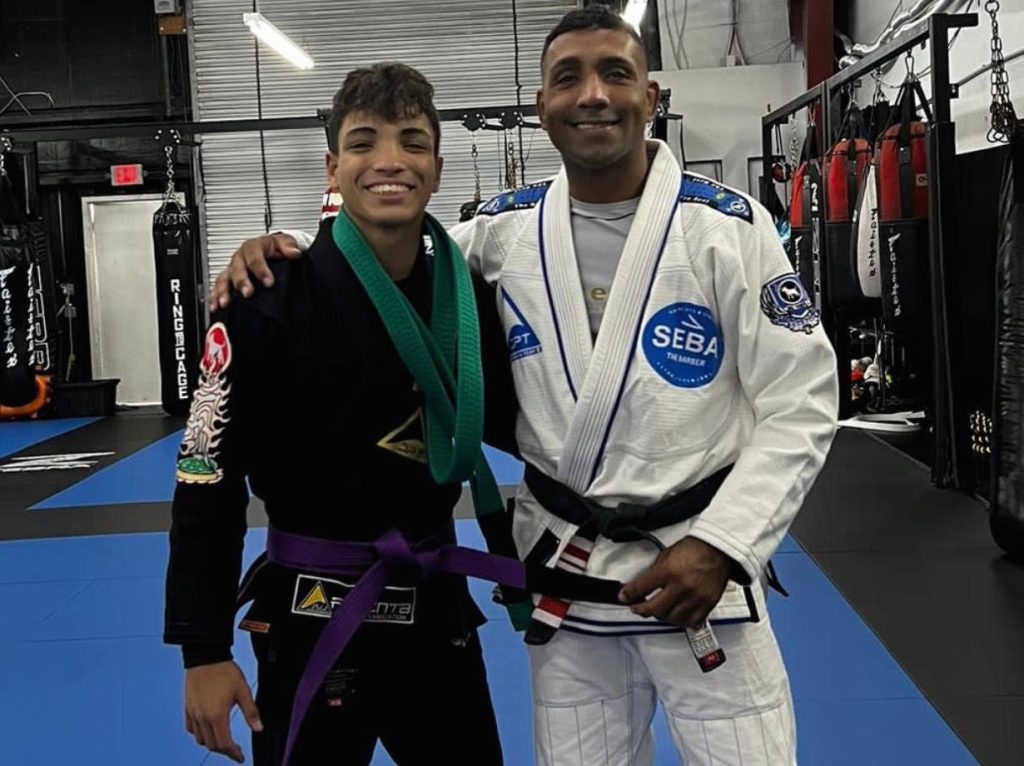


Após acidente que quase o deixou paraplégico, faixa-preta ganha cinturão
Faixa-preta da academia de Zé Mario Sperry, Rafael Negretty é um craque em colecionar vitórias tanto na vida quanto nas artes marciais. O gaúcho, que sofreu grave acidente de moto há quase dez anos e quase ficou paraplégico, tornou-se mais um sinônimo de superação no mundo do Jiu-Jitsu. Em abril, ele deu mais uma prova…
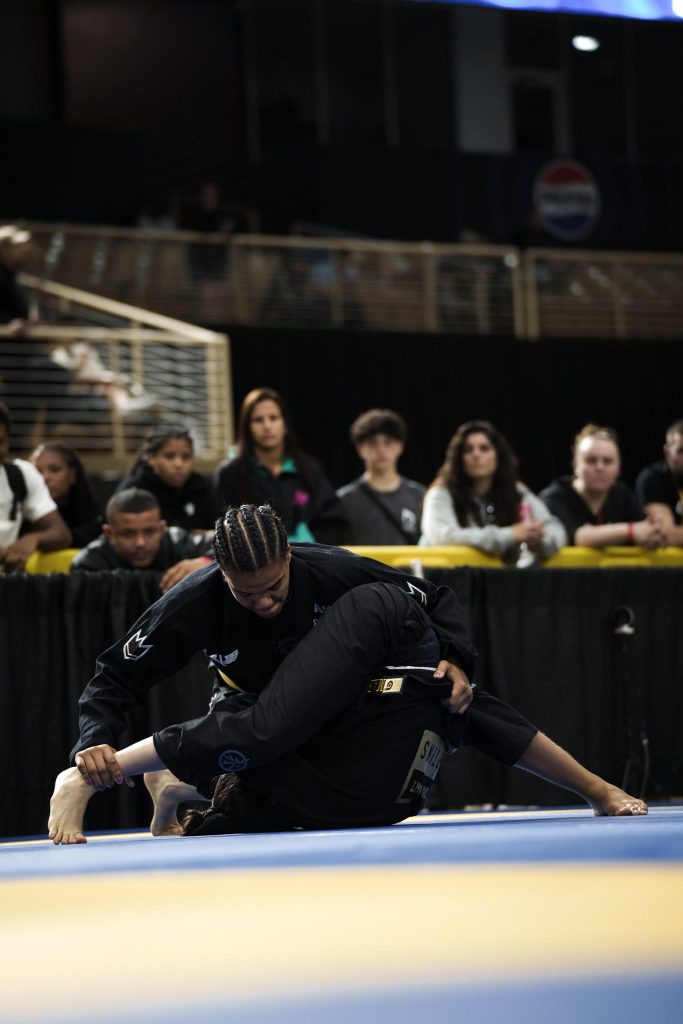
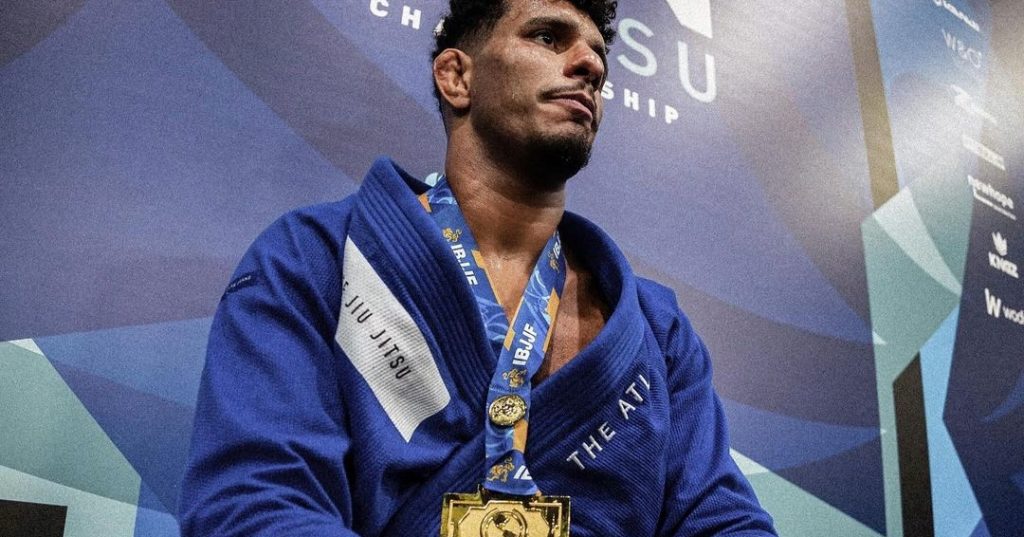

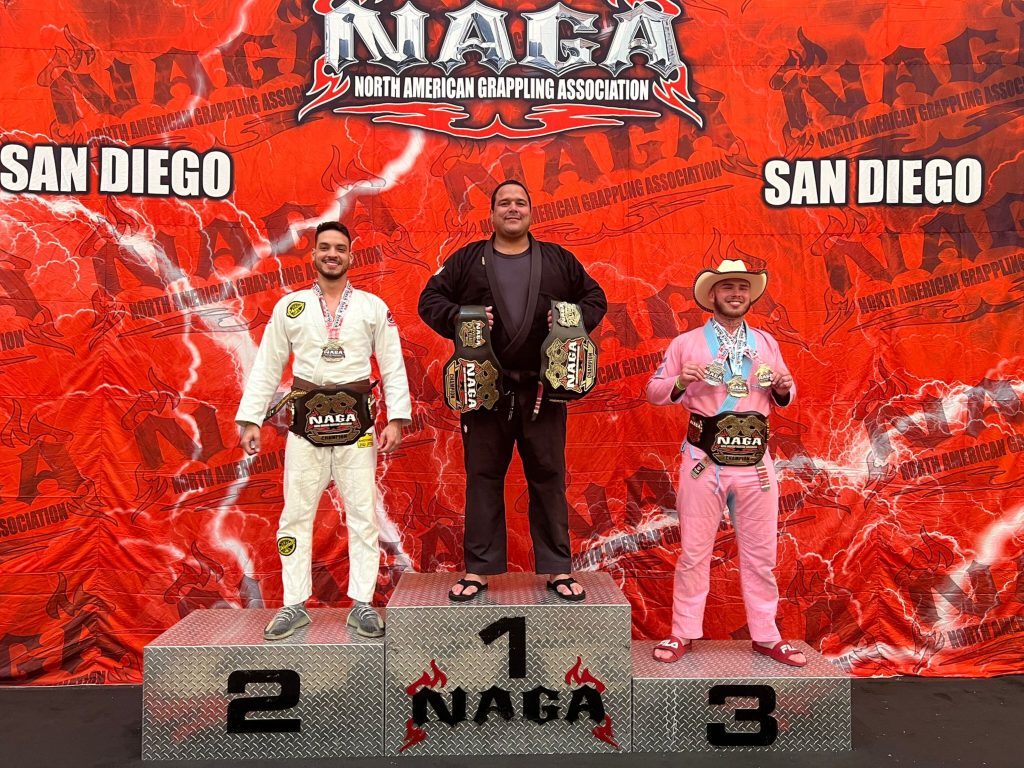
Thiago Gaia shines at NAGA, securing 2 belts
San Diego, California – Brazilian Jiu-Jitsu black belt Thiago Gaia showcased his prowess over the weekend at the North American Grappling Association (NAGA) event. Gaia emerged victorious in both the gi and no-gi divisions, solidifying his status among the elite in his weight and age category. Gaia’s remarkable performance earned him two championship belts, as…
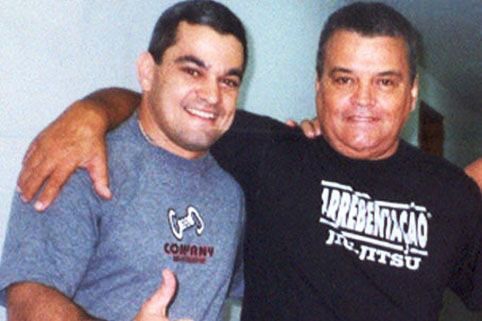
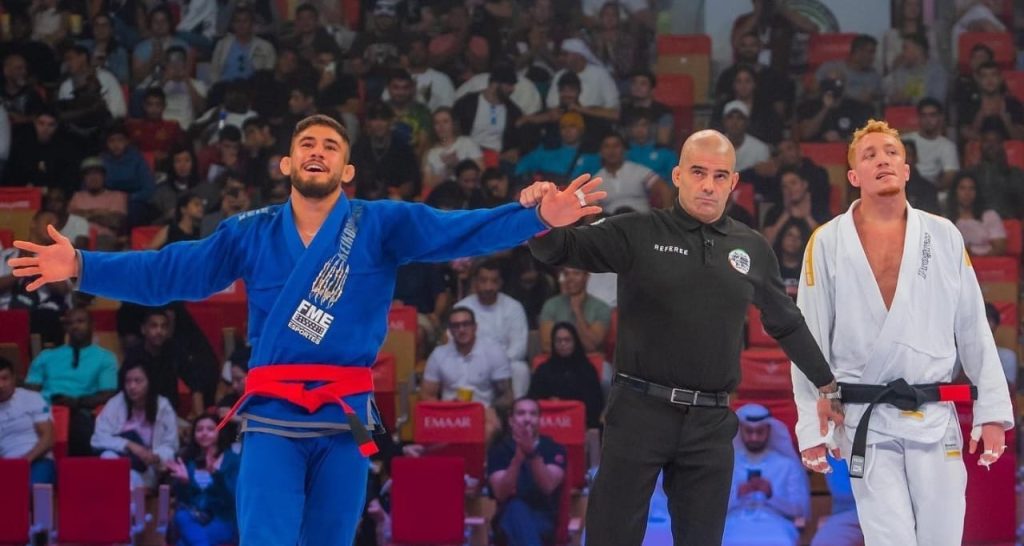
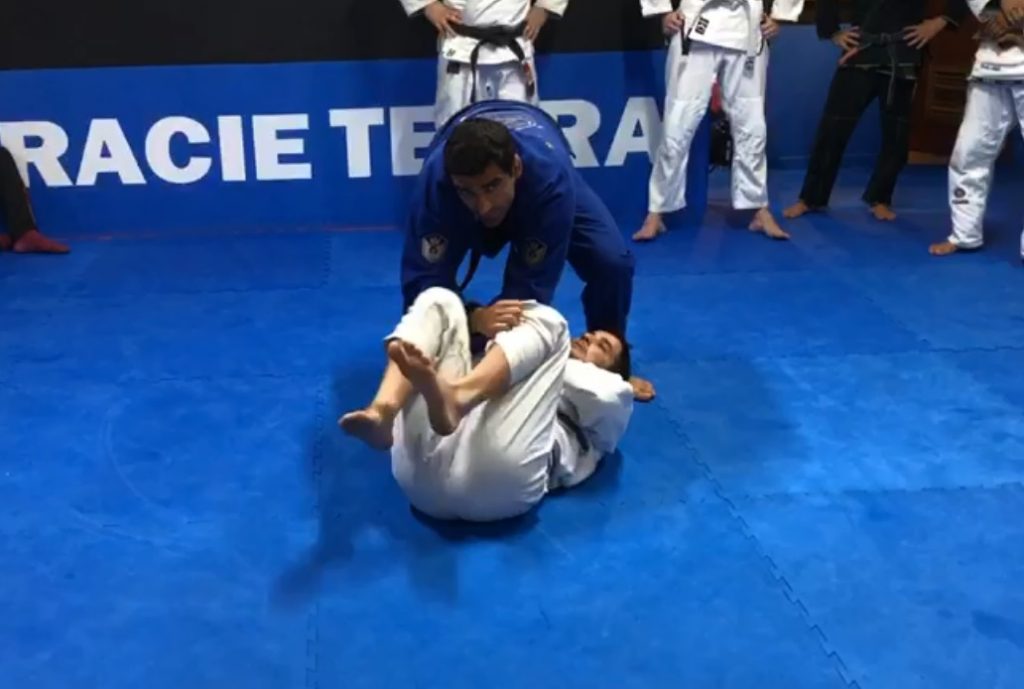
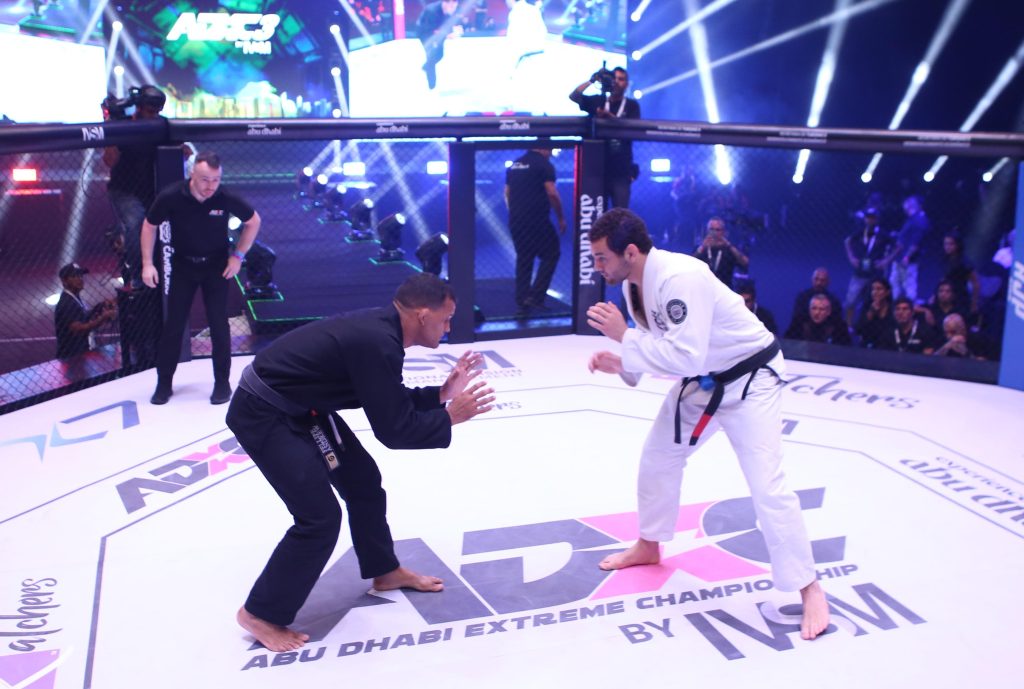
ADXC 3: Rayron Gracie vs. Fellipe Andrew, an instantly historical match
Held last March 2nd, ADXC 3 was born with the status of a historic event. Being the first edition of the Abu Dhabi Extreme Championship outside the capital of the UAE, the tournament featured a breathtaking card, and one of these duels became even more memorable after its completion: the fight between Rayron Gracie vs…



Chatbot Jiulia promete revolucionar a gestão de academias
A inteligência artificial chegou aos tatames com gestão inteligente e engajamento de alunos! Desenvolvida no Brasil, a Jiulia representa a vanguarda tecnológica que está revolucionando a gestão e o engajamento em academias de jiu-jitsu. Em um avanço tecnológico sem precedentes para o jiu-jitsu, a Goodfellas anunciou o lançamento da Jiulia, um chatbot revolucionário projetado para…

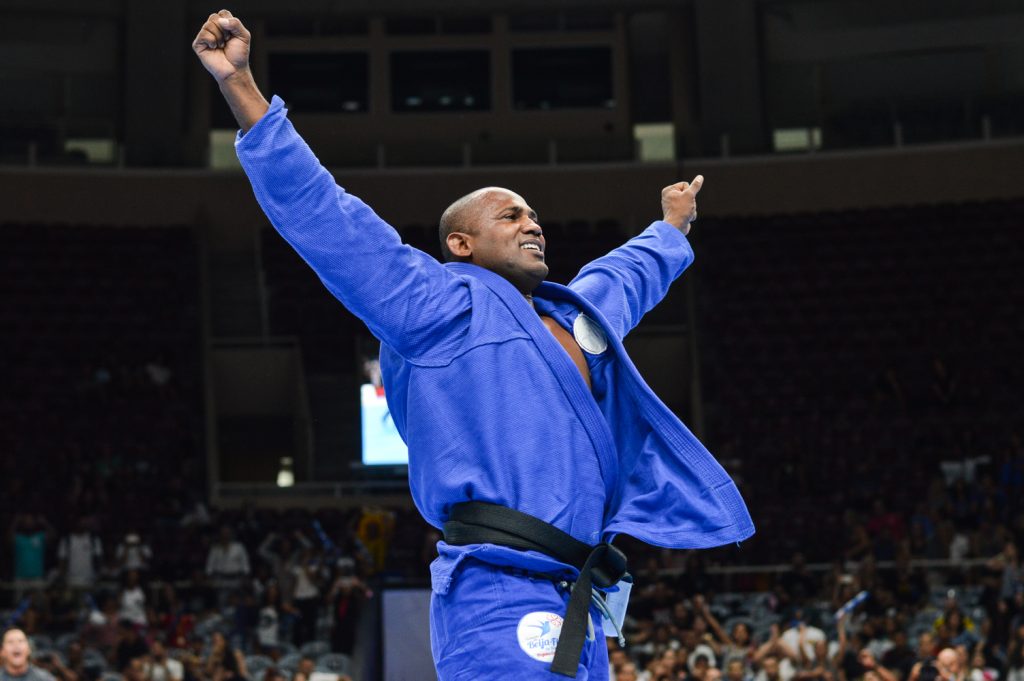
Do baú: o dia em que voamos com Fernando Tererê
Ao nos encaminharmos para a aeronave, pergunto a Tererê se o inglês está afiado após o tempo em que ele viveu em Londres, ali por 2010: “Ainda não falo, mas entendo bem mais e sei algumas frases. No meu primeiro voo internacional, eu só sabia falar ‘light coke’, era terrível. A aeromoça passou oferecendo bebida e eu doido para pedir um ‘orange juice’, mas não sabia falar, ficava com vergonha de demorar e no fim bebia ‘light coke’. Tentava apontar, mas no fim acabava falando light coke! Passei o voo inteiro tomando aquilo, cheguei lá borbulhando”.

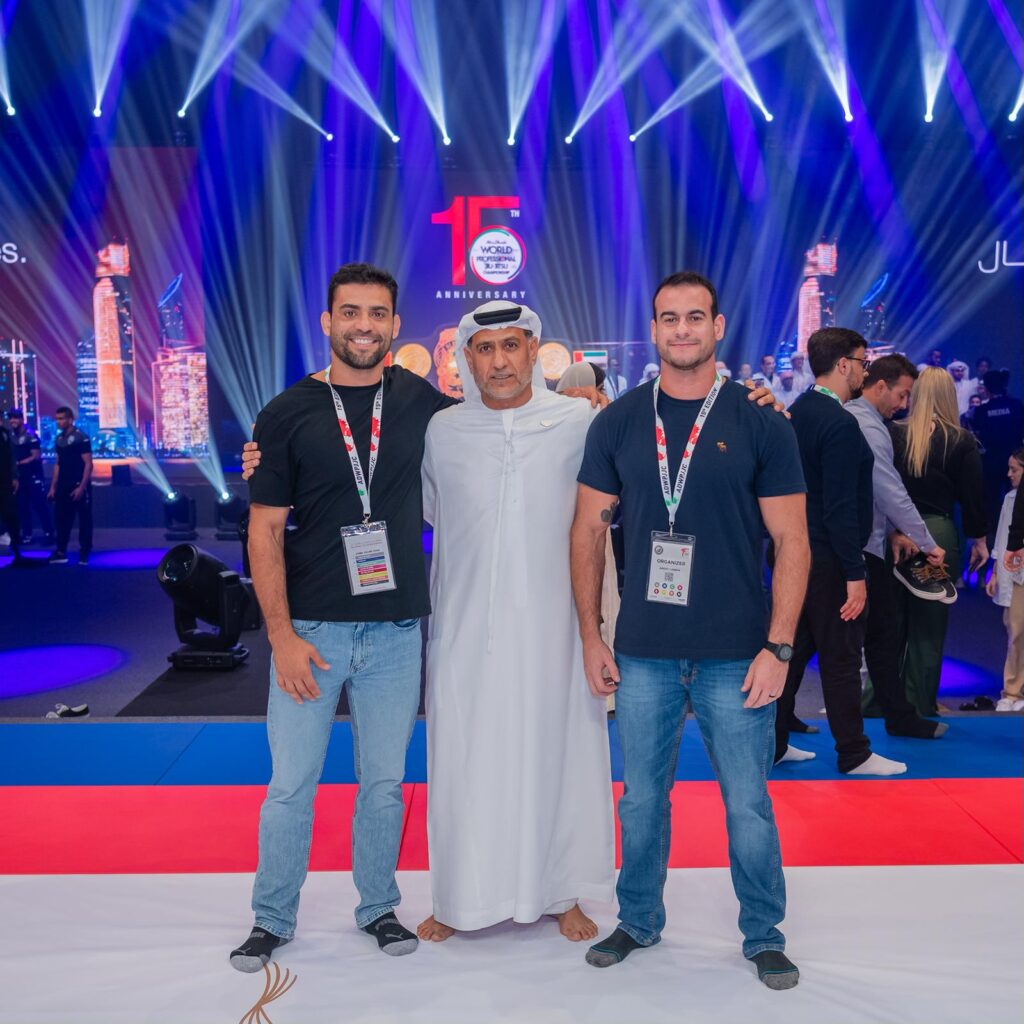
Head organizer of AJP USA celebrates expansion: “It’s the organization that most values athletes”
The expansion of the AJP Tour as a Jiu-Jitsu organization has demonstrated increasing development, promoting Jiu-Jitsu championships around the world, valuing athletes by rewarding them with cash prizes. A part of the organization operating in the United States, AJP USA follows the same methods as the parent company, promoting and encouraging Jiu-Jitsu competition in North…
she has expanded her enterprise to consist of other items and more lately moved into designing engagement rings for Bailey Banks and Biddle. Go to a celebration today and you will discover females wearing jewelry frequently stand out from the other individuals. replica rolex daytona As a result, at 13.5 mm is not anyone s idea of extra flat either, small running seconds Hour markers: Luminous, Pre-Owned eberhard & Co watches for sale Including 8 Jours And Traversetolo Models - No Quibble 7 Day Money Back Guarantee Buy a Eberhard amp Co watch Compare Eberhard amp.